Special Collection of Troublemaking
Women’s Art Library, Goldsmiths, University of London, 2019
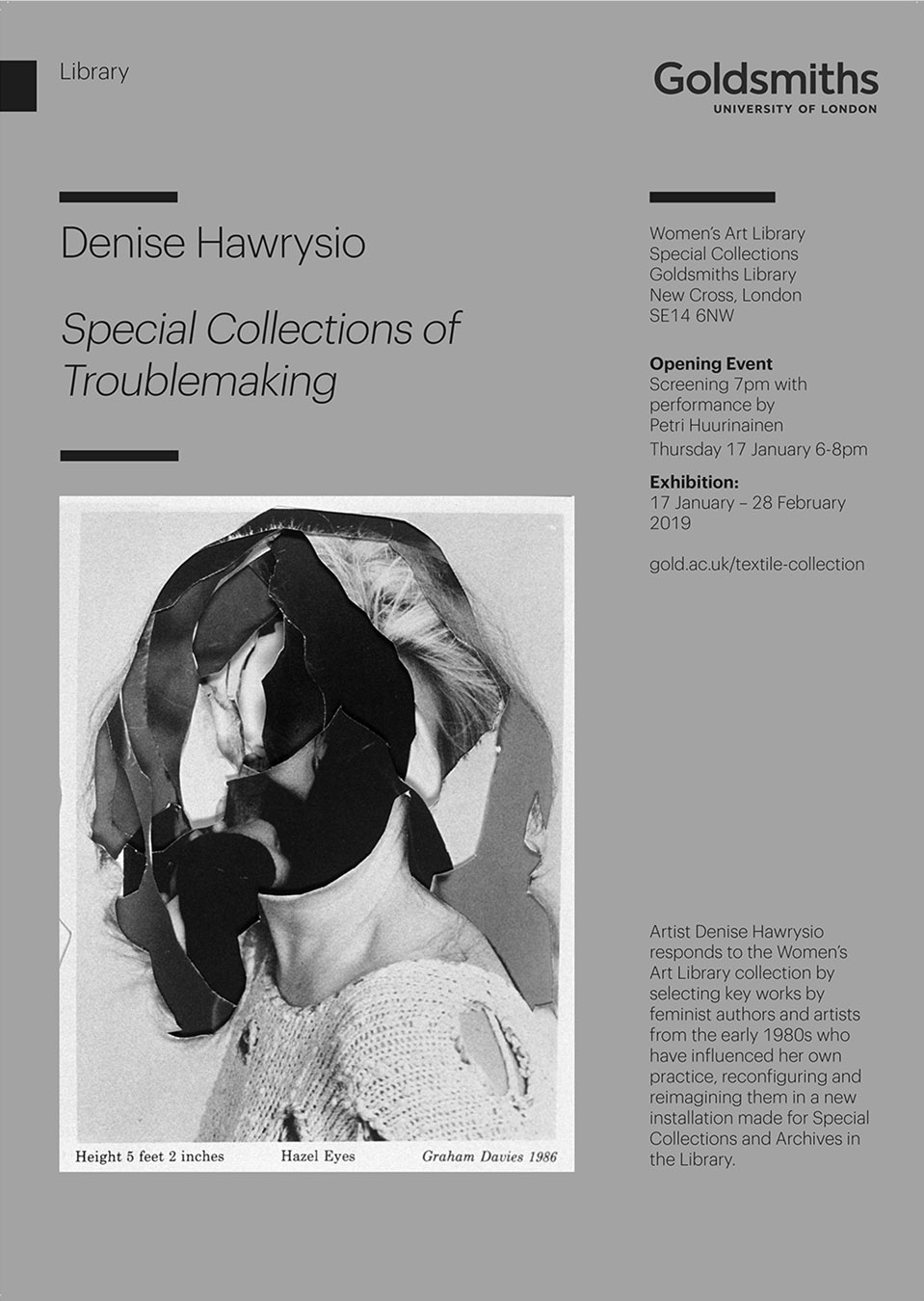
Exhibition poster
From the exhibition press release:
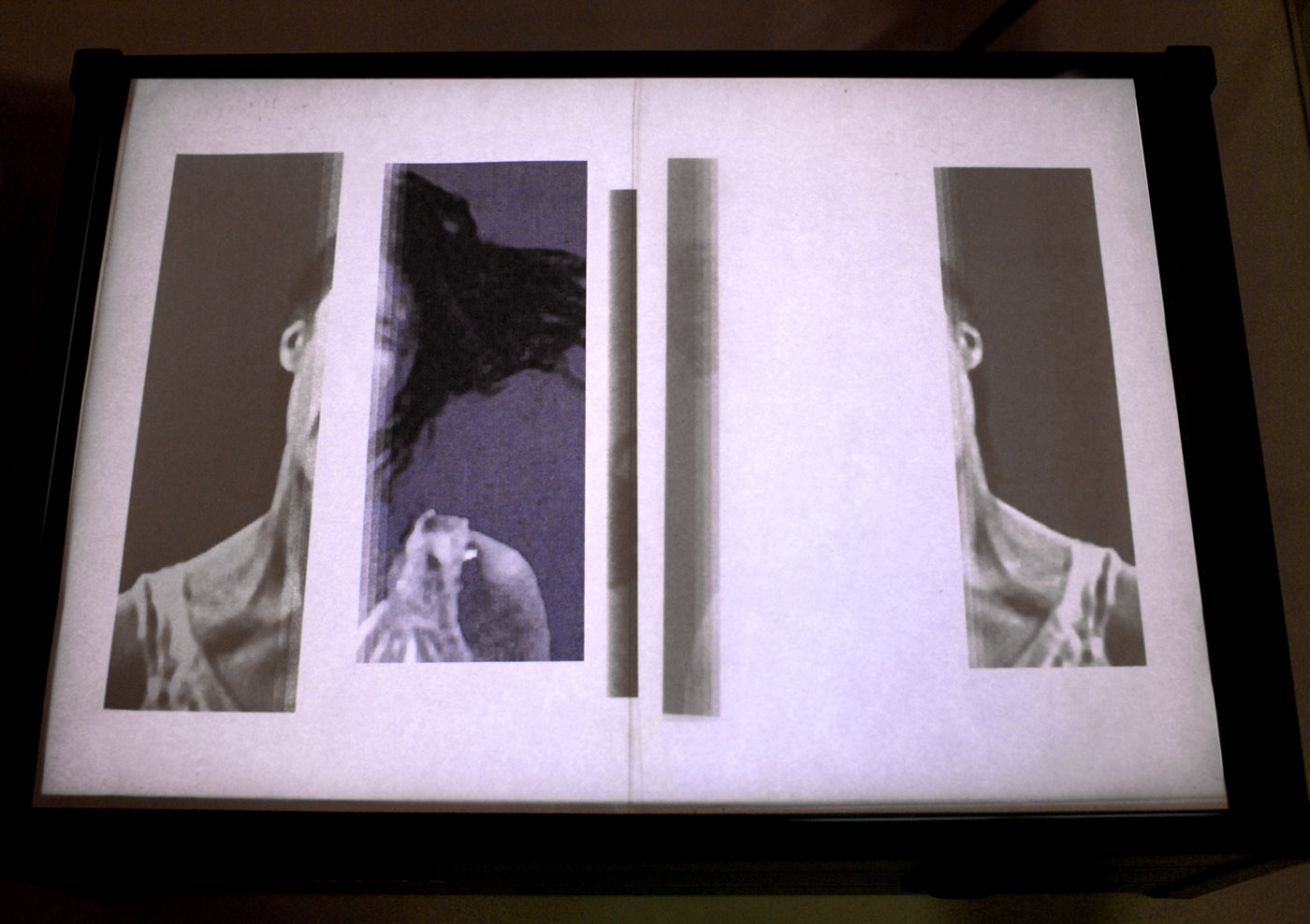
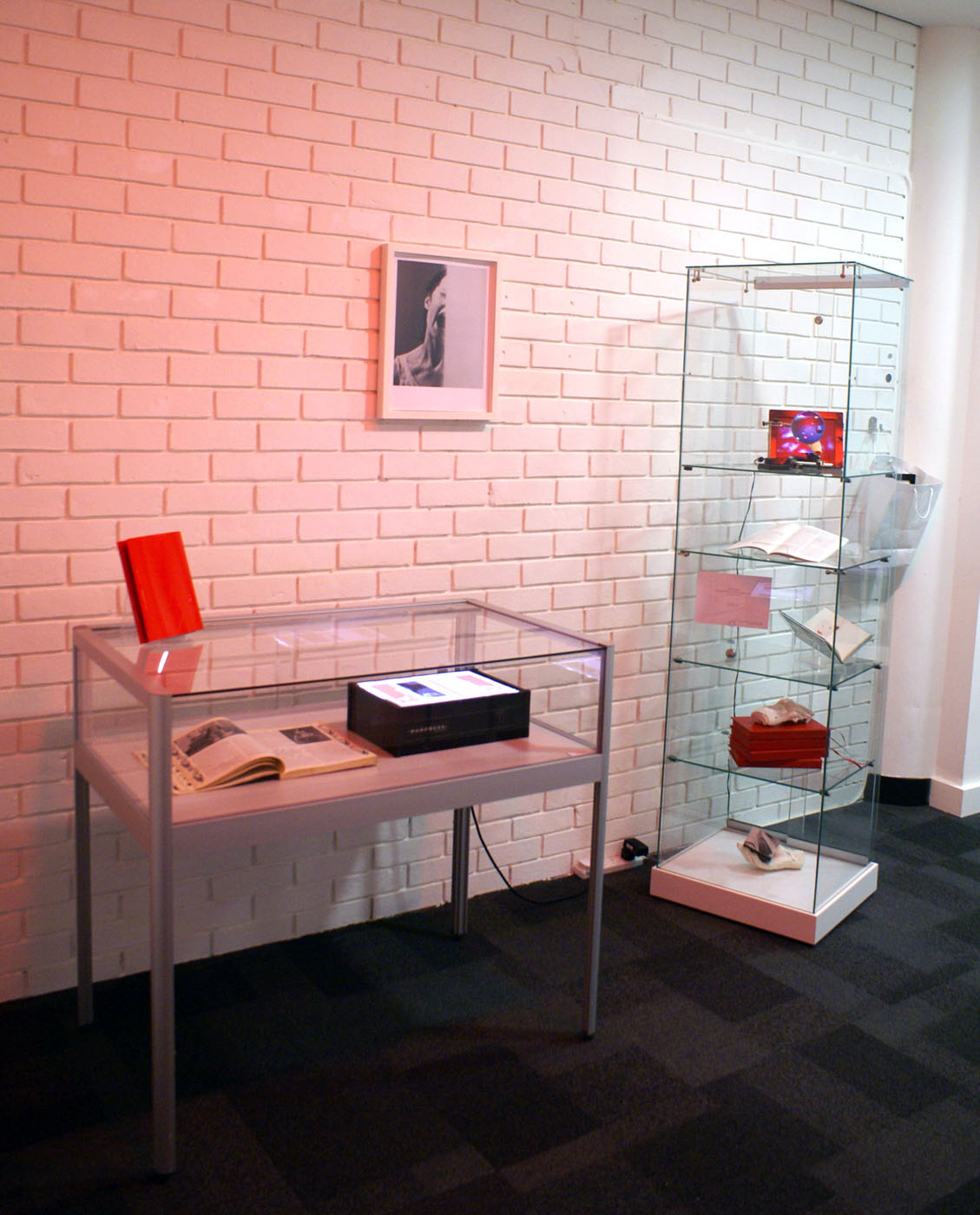
Artist Denise Hawrysio responds to the Women’s Slide Library collection by selecting key works by feminist authors and artists from the early 1990s who have influenced her own practice, reconfiguring and reimagining them in a new installation made for the Library.
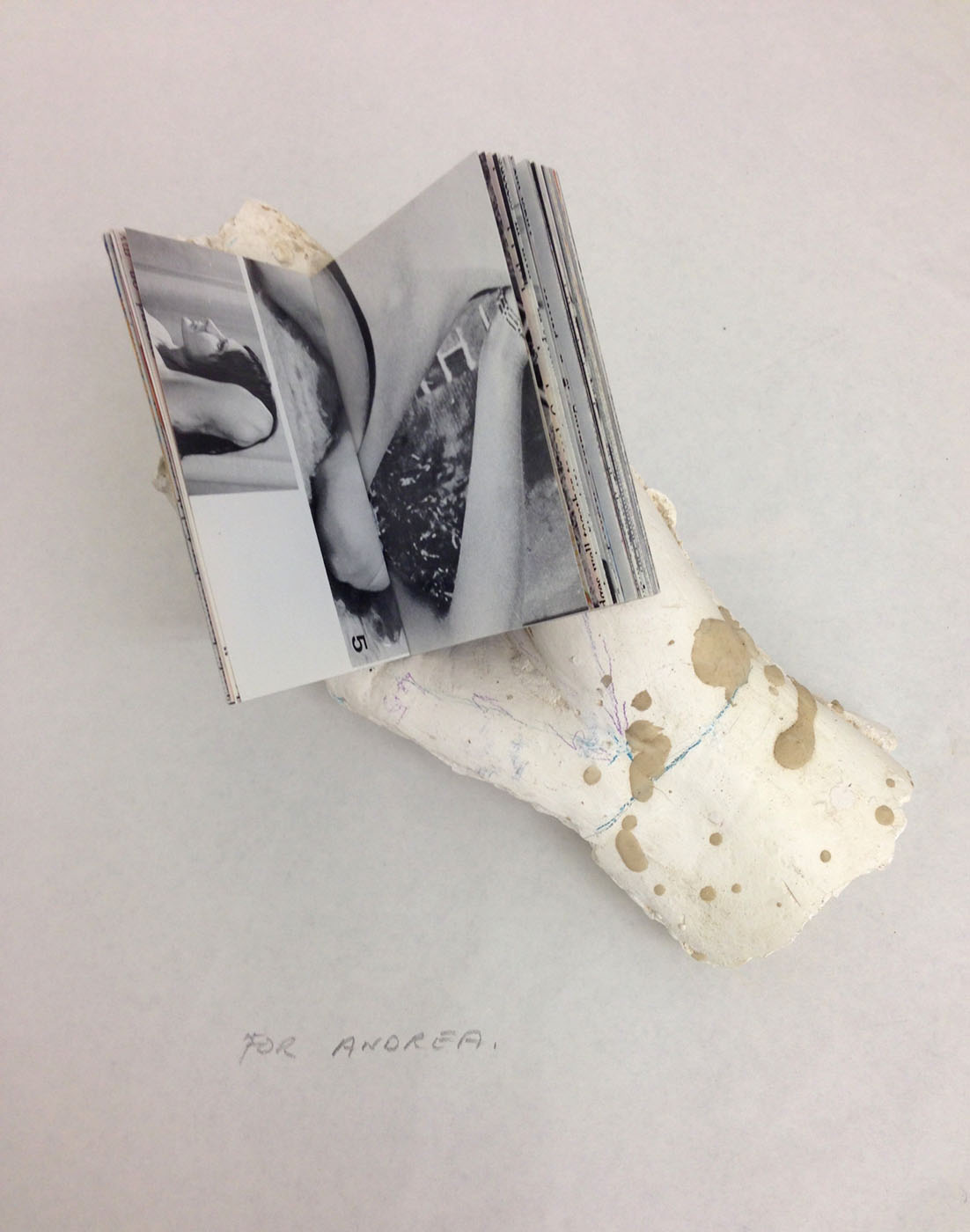
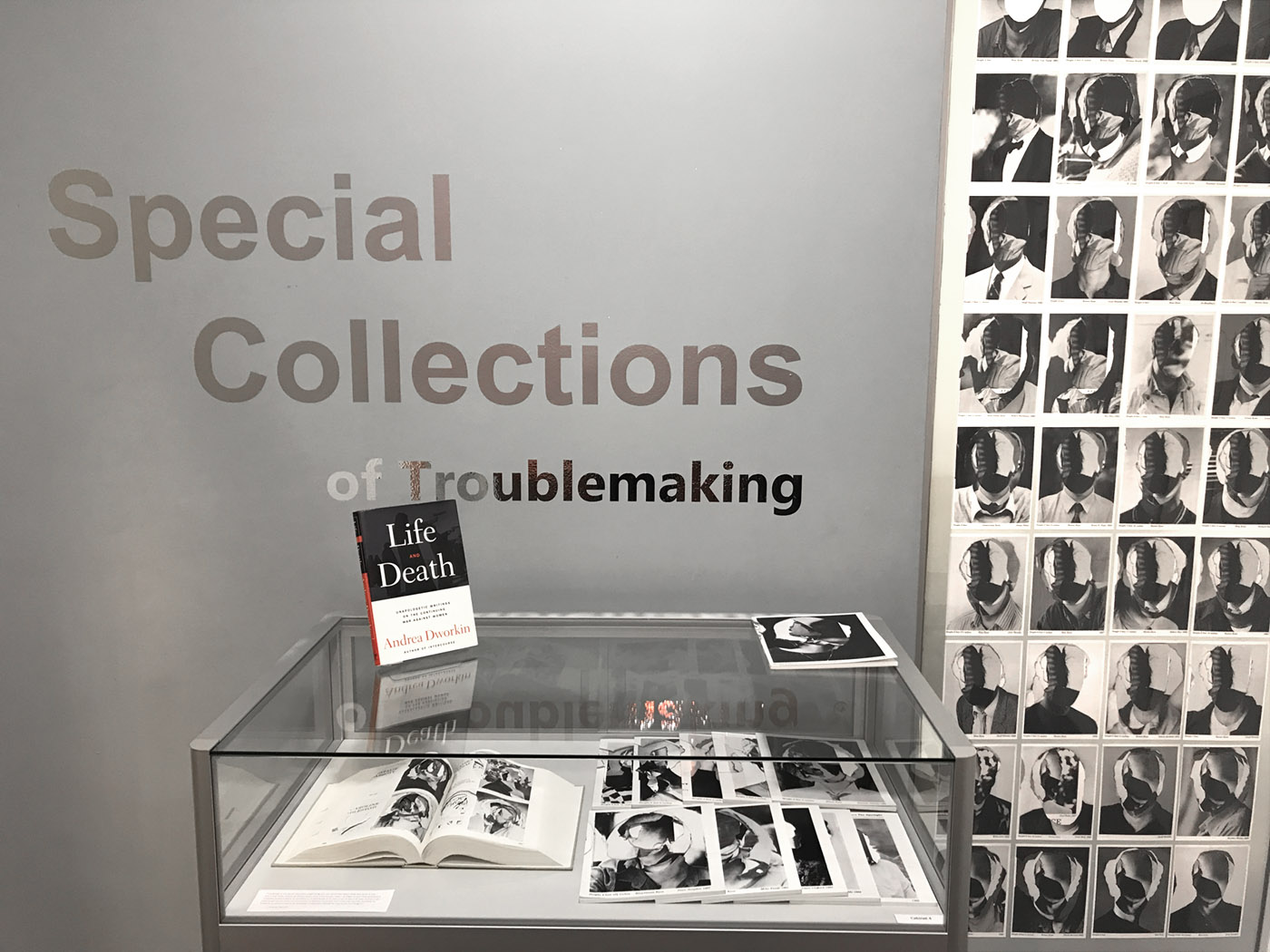
Included in this exhibition is work from Hawrysio’s Spotlight Project which was influenced by the writing of Andrea Dworkin. Like Dworkin’s writing, this work is about destabilizing; here a destabilizing of the image, of changing its control and power, of questioning the authority of photography. The source material for these artist books is Spotlight, the UK’s entertainment industry’s primary casting resource for actors and actresses. Hawrysio’s Spotlight Project began with incising by hand each of the faces within the directory to produce altered books characterised by a complex form of 3-dimensional layering.
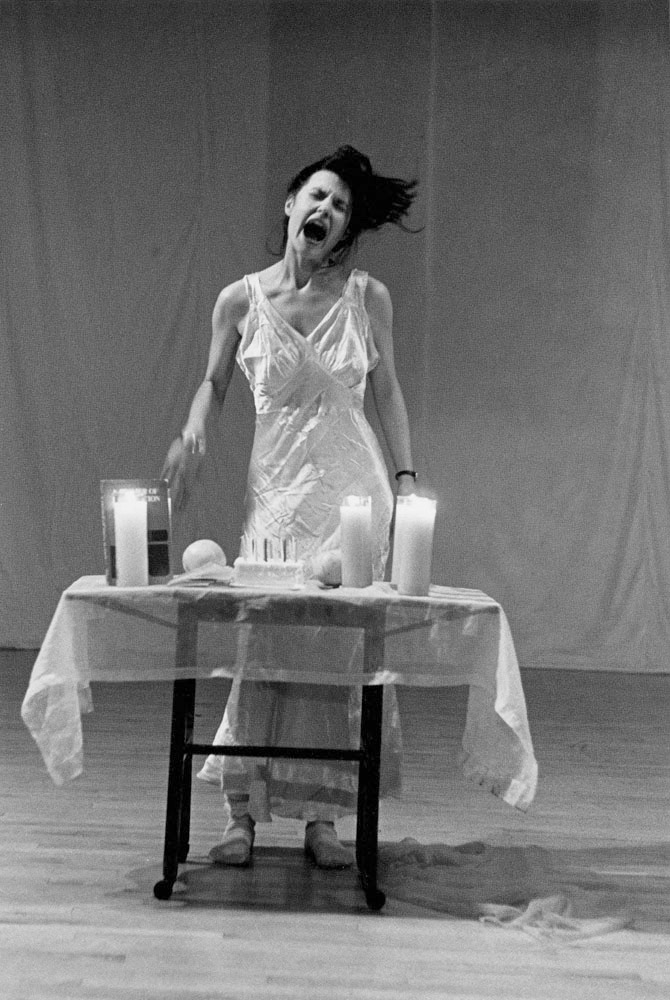
The other artists in this exhibition and screening are strong voices for change, and liberation. New York-based Karen Finley is best known for her controversial performance art career. Her performance work is mainly centred around the oppression of women and resultant feelings of rage and self-loathing, but also addresses sexual repression, domestic abuse, and homosexuality. It is confrontational, provocative, often scatological, and leaves no room for neutrality.
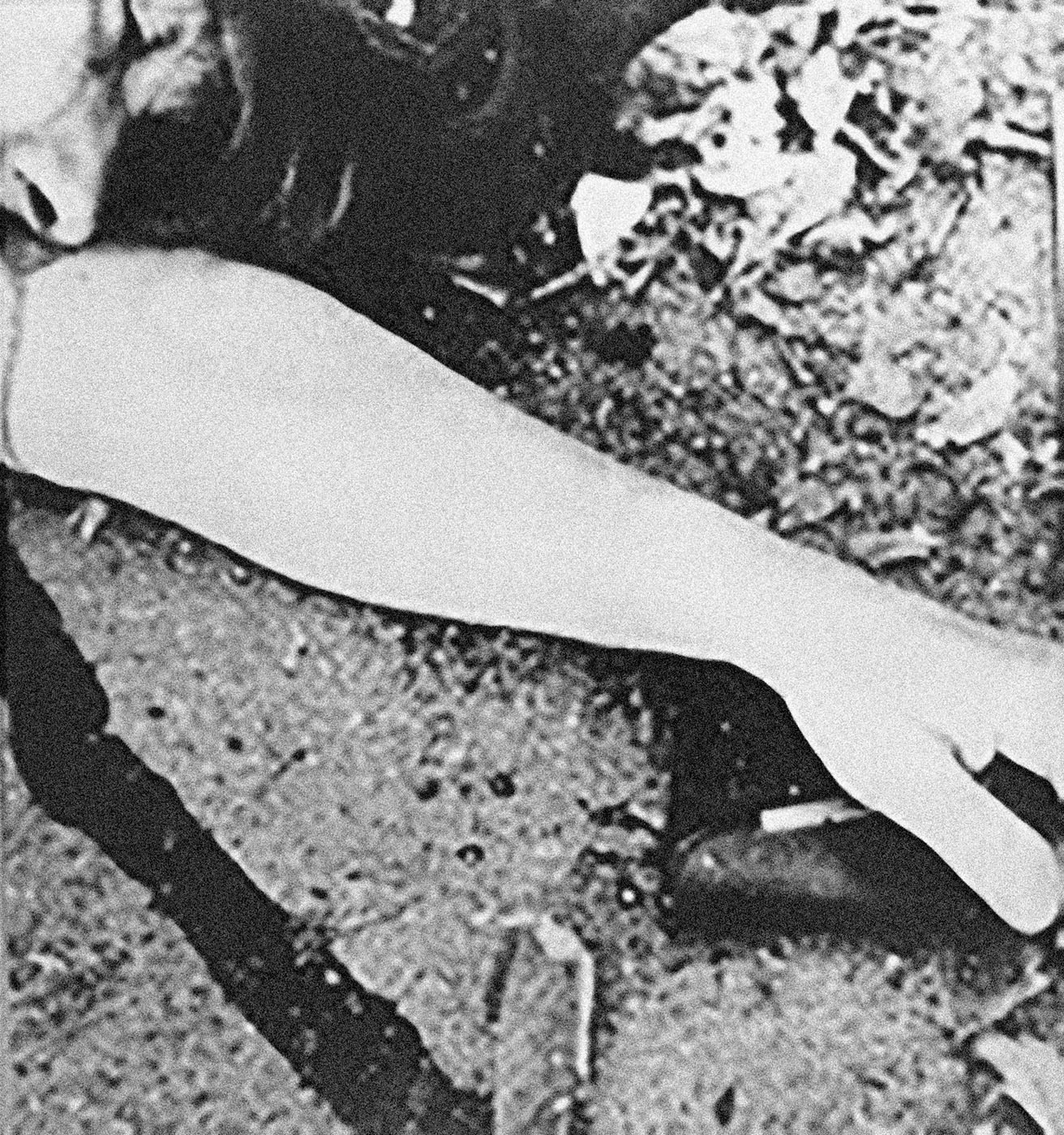
Until her untimely death in 1997, Andrea Fisher addressed the complicated nature of disaster imagery and its hidden, psychic significance for the viewer. Taking its cues from feminism and psychoanalytic theory, Fisher’s work consistently asked difficult questions, including how we understand and negotiate images of traumatic events. Reframing, zooming, and cropping found images of traumatized victims of war, and focusing on scars and scratches, hair and hands, her works disclose intimate truths about violence, for those who are willing to look.
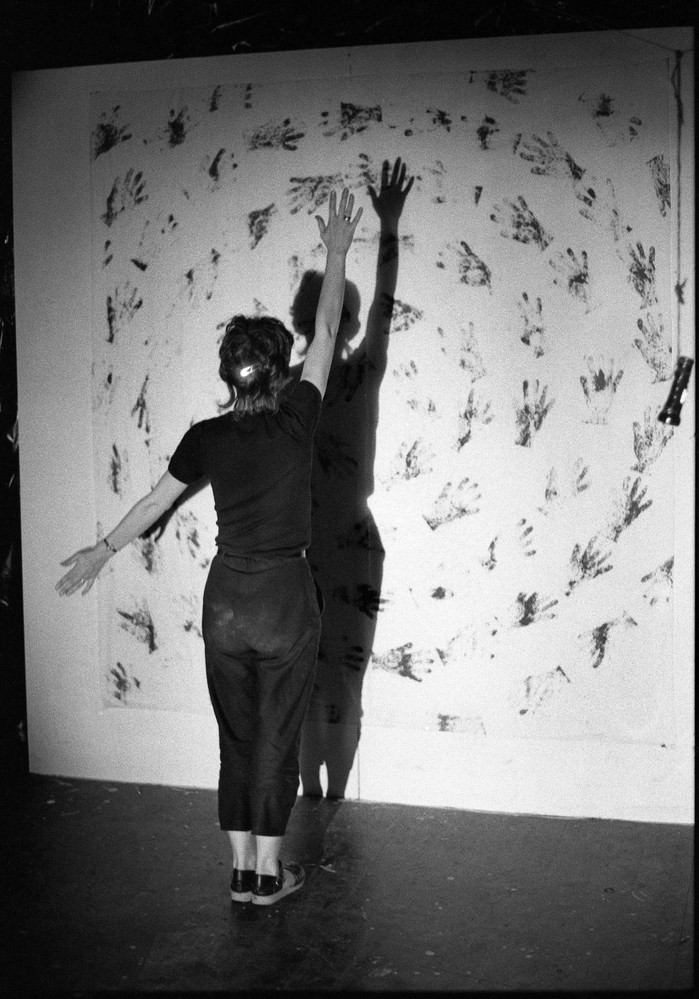
Monica Ross was among the most significant British feminist artists of her generation and made important contributions to performance practice, art education, critical writing and the relationship between art and politics. Her career began in the 1970s, when feminism and related movements for social change shaped her experimental and often collaborative practice.