The Spotlight Project
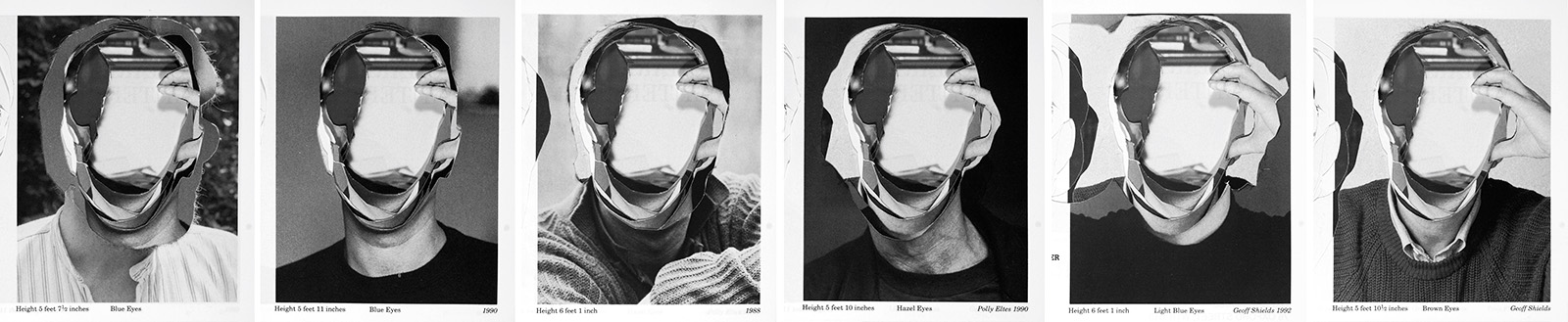
The source material for this diverse set of works is Spotlight, the UK entertainment industry’s primary casting resource for actors. Founded in 1927, hard-copy editions remained the bedrock of the service until the directory moved online in 1995.
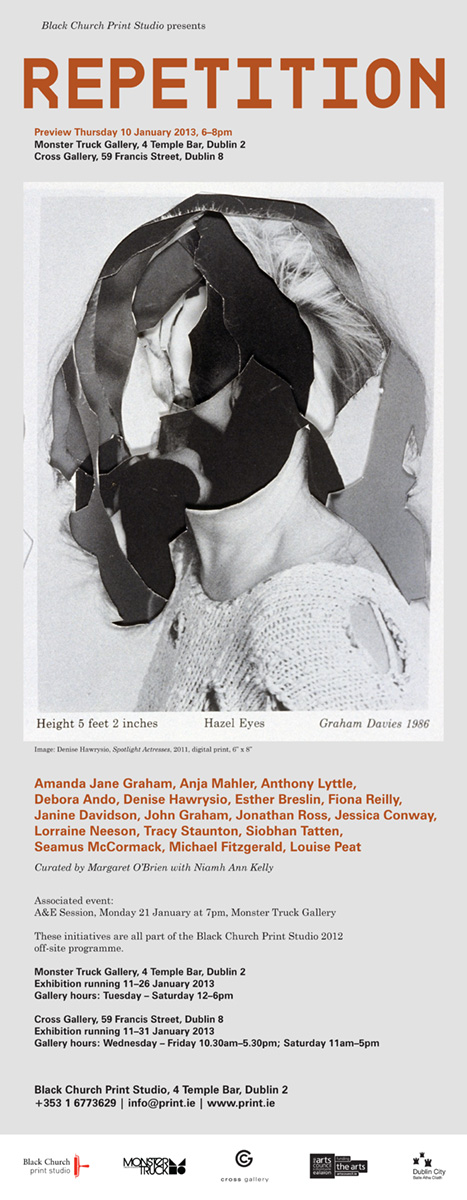
Hawrysio’s Spotlight project began with the meticulous process of incising every face within the directory by hand with a scalpel. This act produced altered books characterised by a complex form of three-dimensional layering — a disruptive sequence of voided portraits that evokes the spirit of Surrealist collage and the “cut-up” techniques of the Dadaists and Beat poets.
Hawrysio has taken a surgical knife to each page… to leave a sequence of voided profiles that act as templates to a fragmentary succession of printed matter that changes each time a page is turned. This act of deletion, layering, and framing is an equivalent to her 15/1 curating projects… an activity of masking, reframing, and re-conceiving in such a way as to make the familiar seem quite strange. — Andrew Wilson (Curator, Tate Britain)
The Spotlight Actresses A–K and The Spotlight Actors N–Z
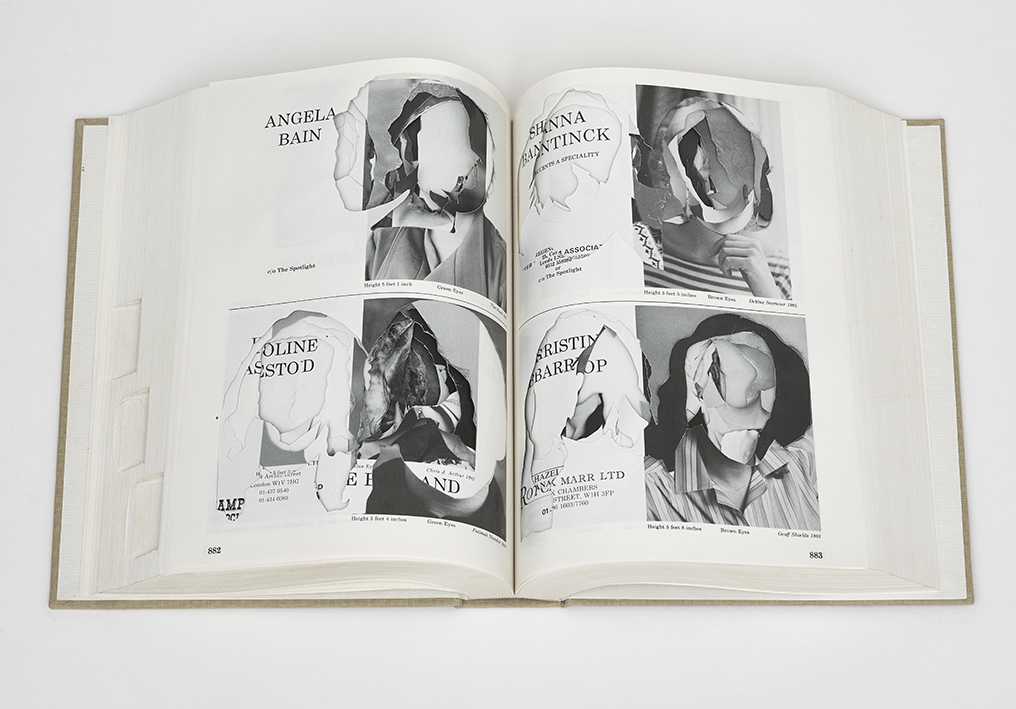
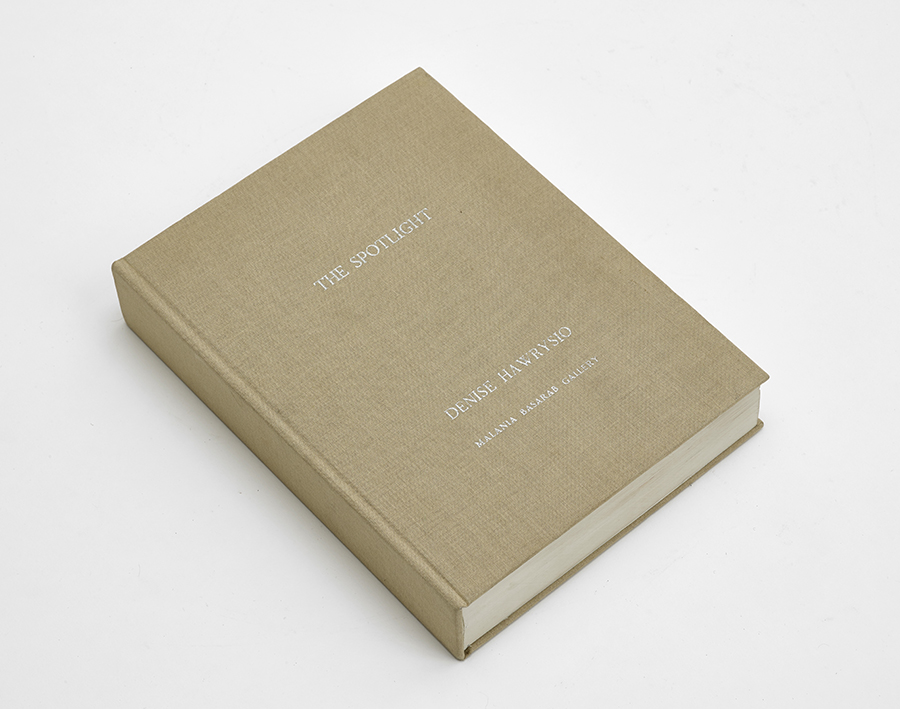
These unique “altered books” are the foundation of the Spotlight Project. Each volume consists of a physically manipulated Spotlight directory, transformed into a fragile sculpture through the removal of every actor’s face, resulting in a disruptive sequence of voided portraits. Two perfect-bound cloth hardcover volumes in drop-back cloth-covered boxes.
Collection: Tate Britain Special Collections
Character Actresses A–K and Leading Actors N–Z
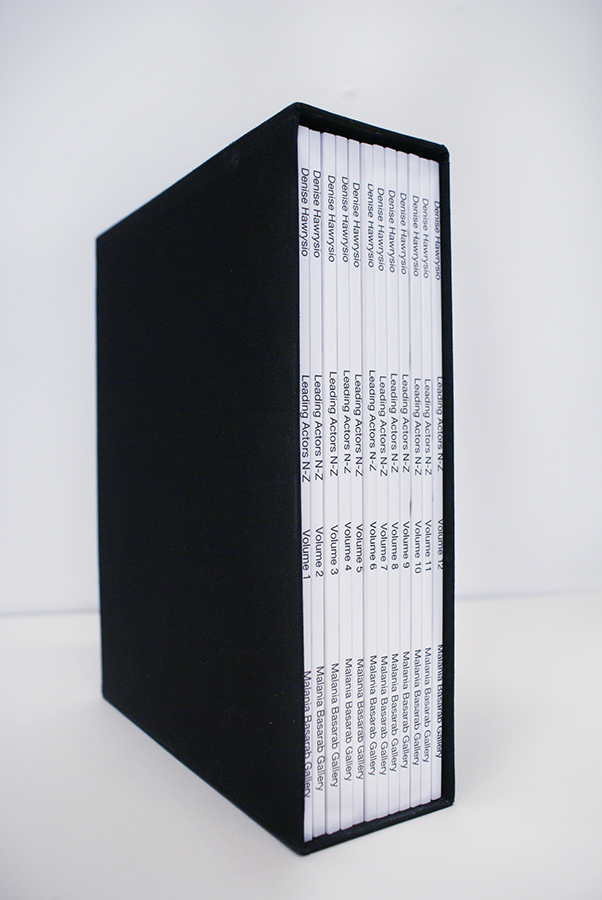
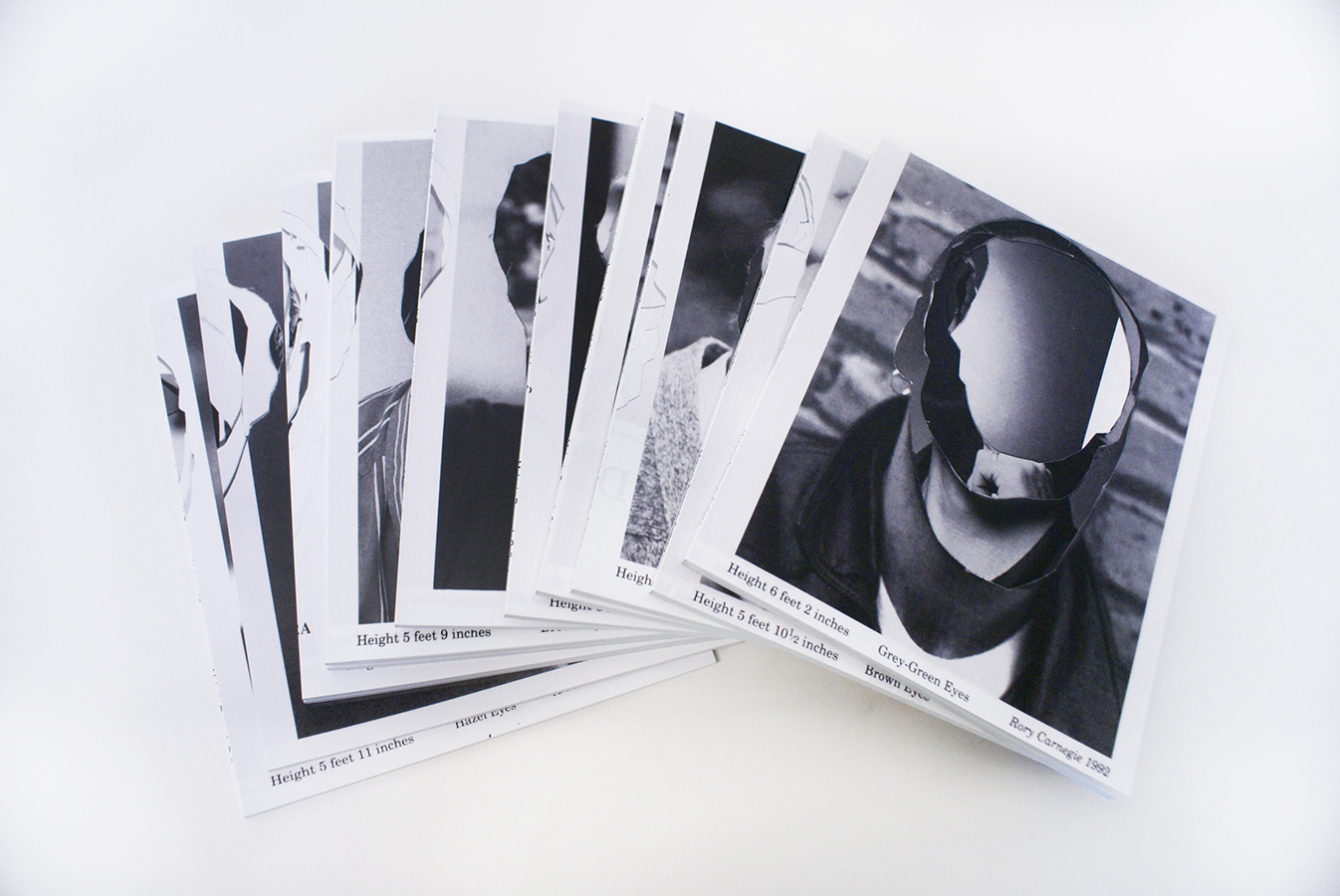
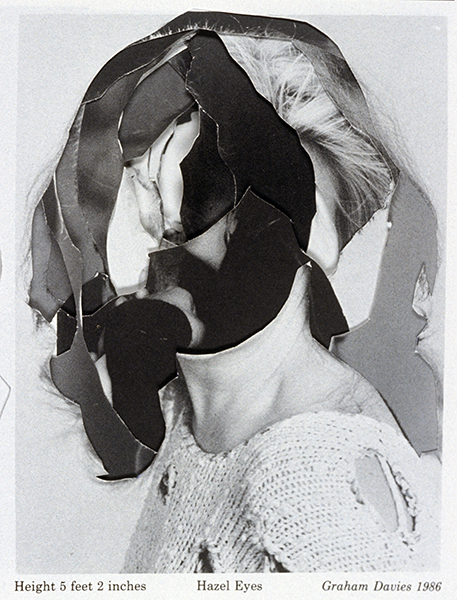
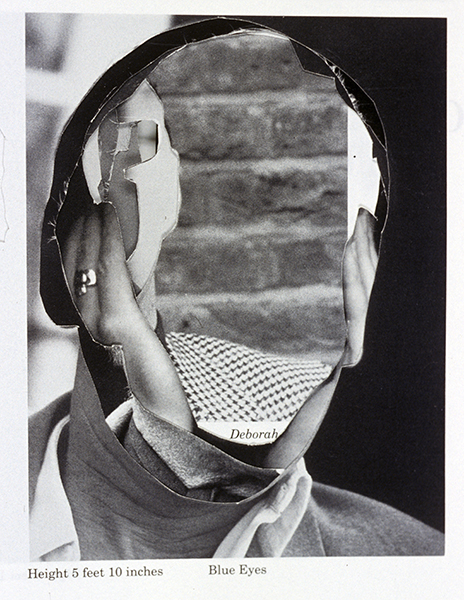
To produce these “books of the books,” Hawrysio re-photographed the original sequence of altered pages from the hardcover volumes. The resulting magazine-style sets explore the transparency of the page and the “freed souls” of the sitters. Each set consists of 12 softcover print-on-demand books of approximately 84 pages each. Character Actresses A–K is held in Tate Britain Special Collections; Leading Actors N–Z is in the Artists’ Book Collection at Winchester School of Art, University of Southampton.
The following text is printed on the second page of each volume:
I once heard that some cultures believe that photography can steal your soul and that the process was disrespectful to the spiritual world. In finding an old Spotlight, I began removing the faces in order to free the soul of the sitter. In removing the faces, the cut-out photograph from the previous pages is revealed, making a succession of freed souls.
In Chiapas, Mexico, there are towns which still adhere to the old Mayan ways; although most people today allow their photograph to be taken, infants are protected. It is believed the souls of infants are fragile and susceptible to leaving the body. These books are dedicated to all the fragile souls that are susceptible to leaving.
Collections: Tate Britain, Winchester School of Art
Character Actresses A–K and Leading Actors N–Z
Matt’s Gallery, London
Camberwell College of Arts, London
Click image to watch
Click image to watch
Hawrysio’s re-casting of the Spotlight directories evokes the spirit of Surrealist collage, embracing André Breton’s definition of the movement as a disruptive “juxtaposition of two more or less disparate realities.” In these works, the rigid, commercial standardisation of the casting directory is brought into direct contact with the fluid, sculptural abstraction of the void.
The audio component is a literal vocalisation of the fragmented topography created by the scalpel. As the faces were meticulously removed, the text on the pages beneath was revealed through the resulting apertures. Because these “windows” offer glimpses of multiple layers at once, partial words and fractured names appear and disappear as the pages are turned, creating an accidental and ever-shifting script.
Read by Eleanor Vonne Brown (Character Actresses A–K) and William English (Leading Actors N–Z), the recitations transform a utilitarian directory of names — the raw data of the casting industry — into a staccato, rhythmic litany. Their performances bring to mind the sound poetry of Kurt Schwitters’ Ursonate (1922–32), in which language is stripped of its primary function and broken down into its abstract, phonetic parts.
Selected Sub-Projects
Hello my name is Jenny
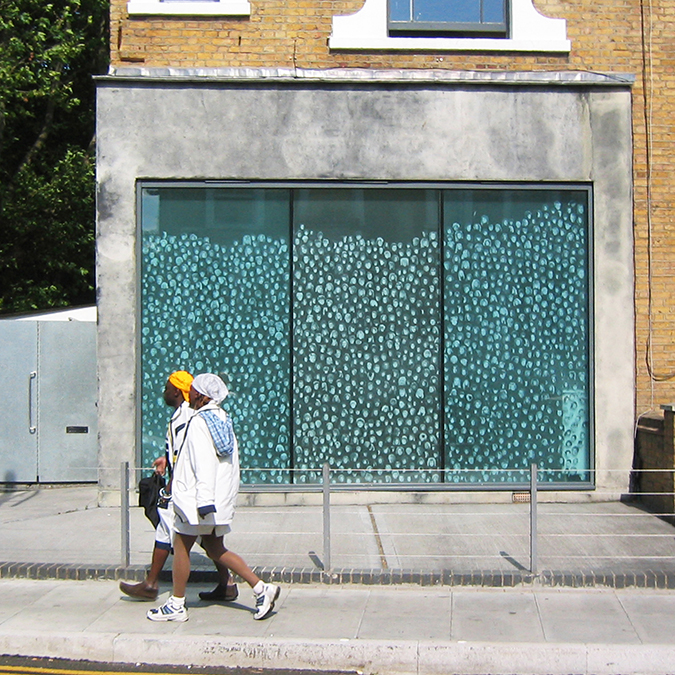
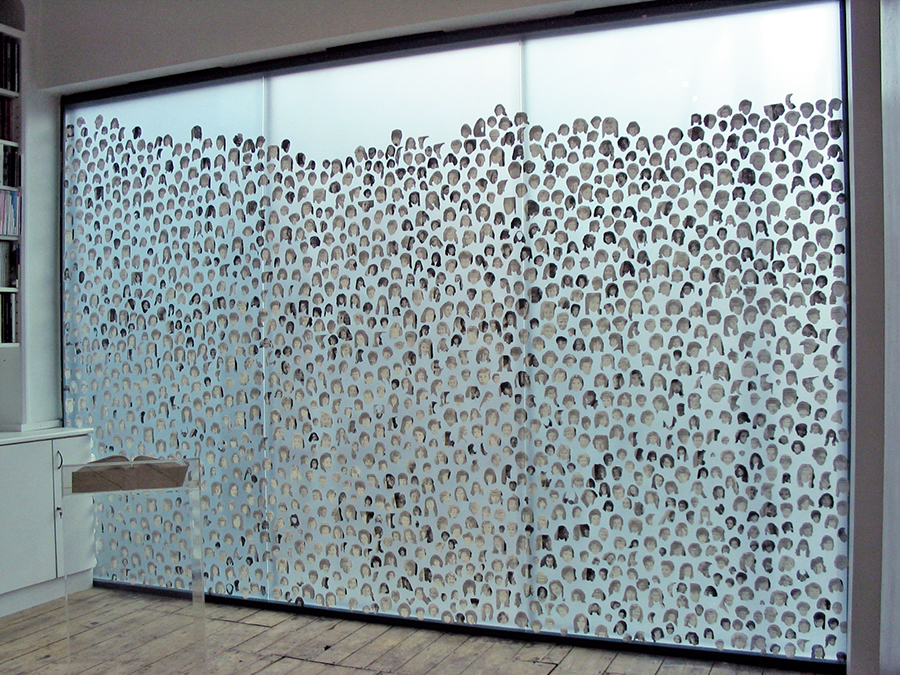
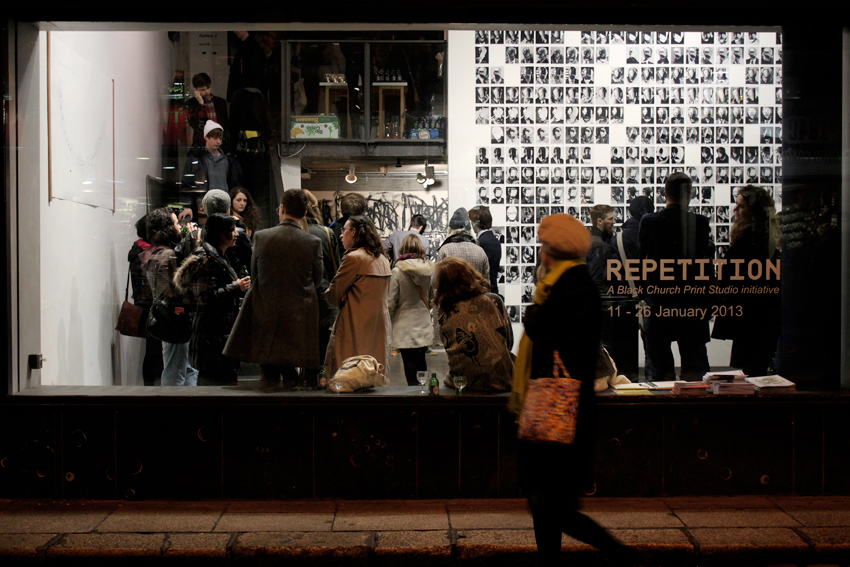
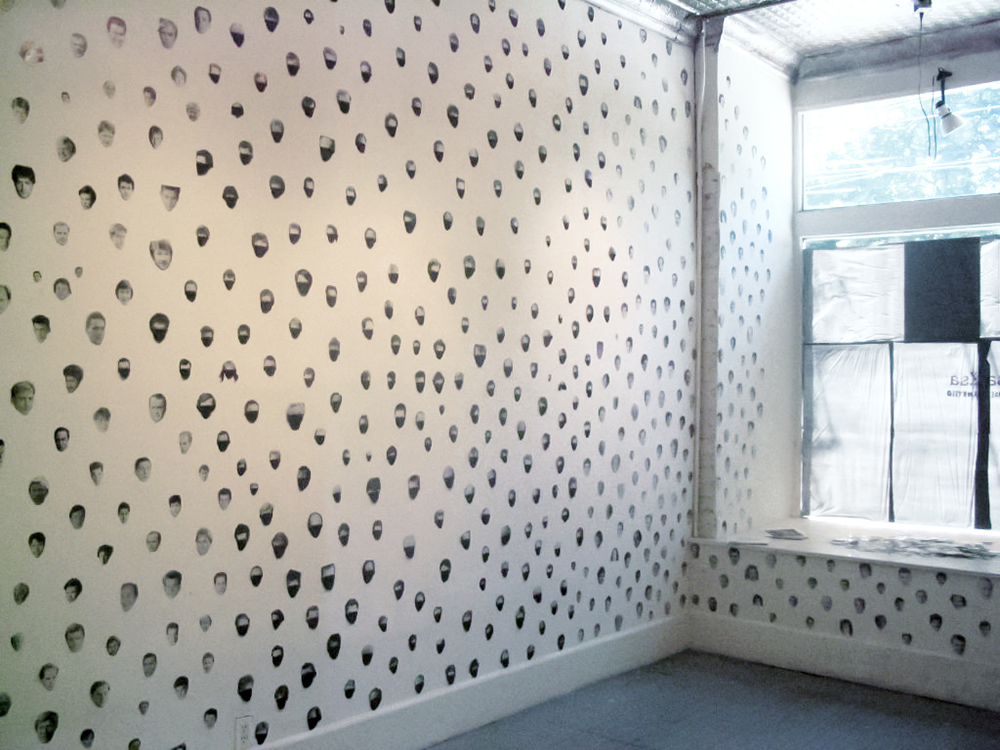
In this site-specific installation, Denise Hawrysio utilises thousands of female headshots, hand-cut from the actors’ directory Spotlight. These portraits, spanning a diverse range of ages, ethnicities, and performative styles, were fixed to the gallery’s glass facade. This intervention transformed the industry’s “commercial bible” into a complex, translucent skin, visible as a shimmering screen from the street and a delicate, obsessive wallpaper from within.
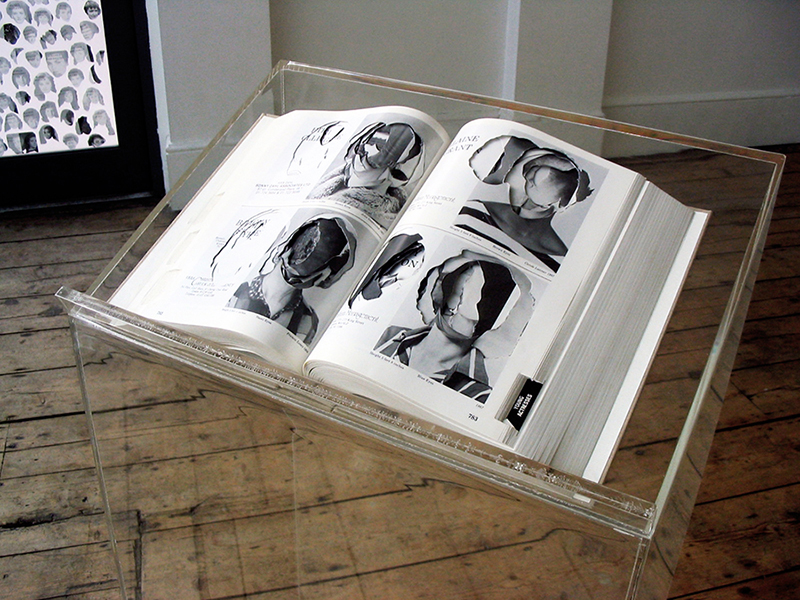
The original volume — now a skeletal remains of punctured pages — was re-bound by Hawrysio and presented on a clear acrylic lectern at the centre of the space. In contrast to the stillness of the physical object, a nearby monitor displayed each page in rapid-fire succession, creating a flickering, cinematic archive of faces.
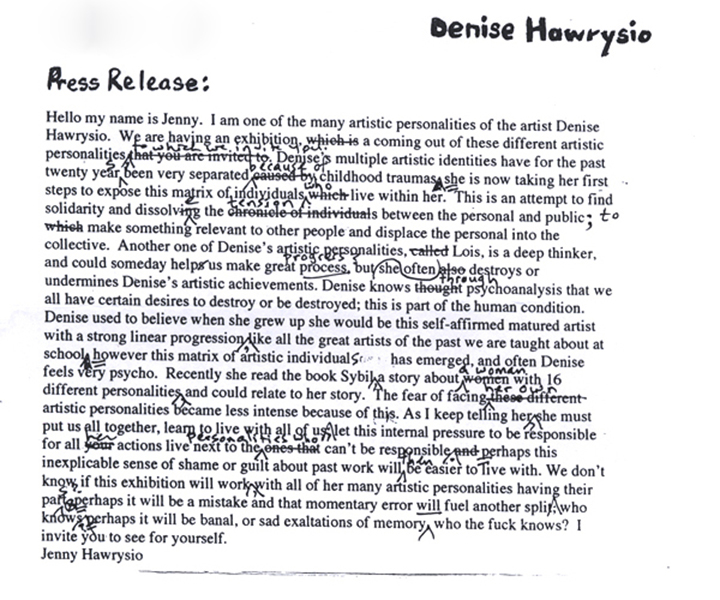
The work interrogates the cult of celebrity and the unforgiving systems of recognition that delineate “success” from “failure.” Sourced from a 1980s edition of the directory, the installation captures a haunting transition: while the younger selves of several now-household names are present, the majority of the women featured are no longer in the profession. The labour-intensive process of hand-cutting these thousands of portraits mirrors the obsessive drive for visibility, while simultaneously questioning the construction — and subsequent deconstruction — of the performative persona. Further blurring the lines between reality and artifice, Hawrysio’s fictive persona, Jenny, produced a press release conceived as an autonomous artwork.
Supported by Southwark Council and Canada House.
Spotlight
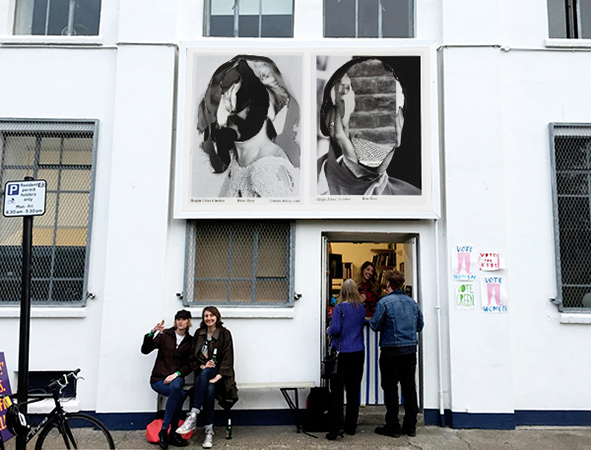
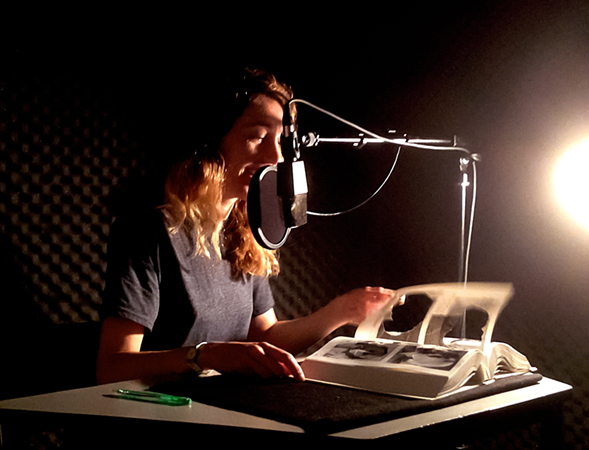
For X Marks the Bökship — a three-month event curated by Eleanor Vonne Brown at Matt’s Gallery — Denise Hawrysio expanded her Spotlight project into the public and sonic spheres. Alongside the display of her altered hardcover books, large-scale images from the series were featured on an exterior billboard, while the video Leading Actors N–Z was screened within the gallery. A recording studio constructed inside the gallery served as a resource to translate the printed page into sound; here, Vonne Brown recorded a reading from Character Actresses A–K. This audio was released on the limited edition 12″ vinyl The Cast of the Crystal Set and later served as the soundtrack for Character Actresses A–K, the companion video to Leading Actors N–Z (see Videos, above).
Spotlight
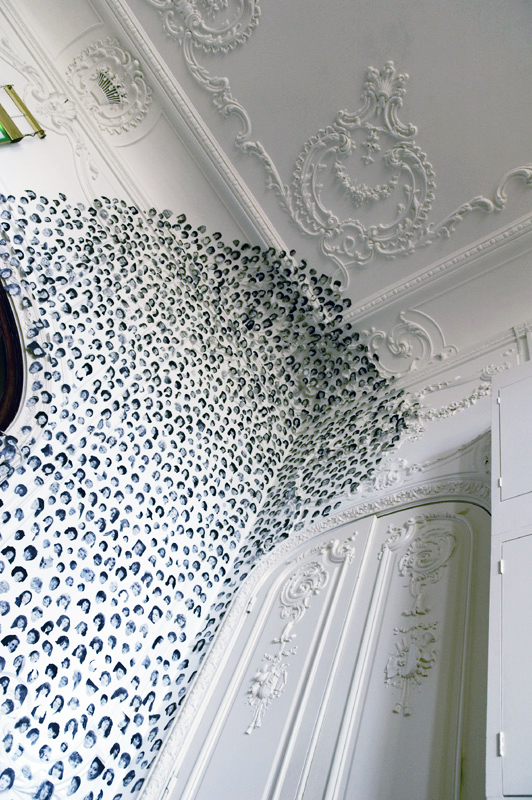
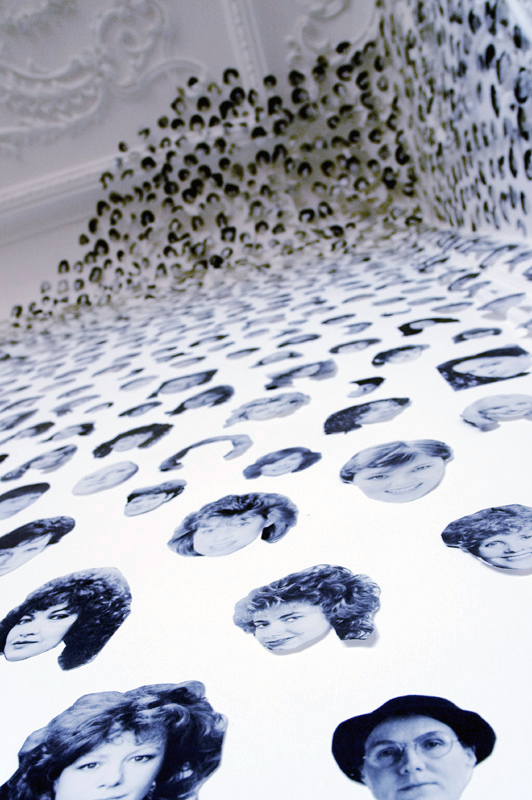
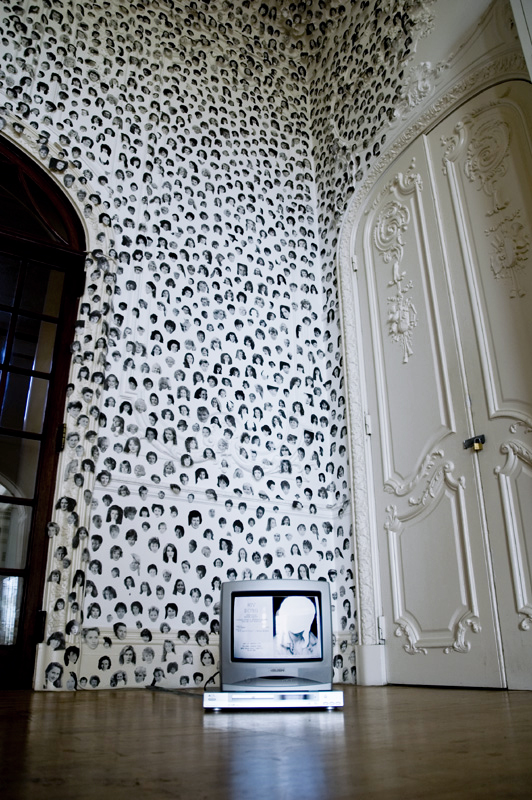
Even the highly cultivated allergy to kitsch, ornament, the superfluous, and anything reminiscent of luxury, has an aspect of barbarism. (Adorno)
Frenzy: L’Art décoratif d’aujourd’hui is an exhibition that explores the often fraught relationship between ornamentation and contemporary art practice. The exhibition has been conceived as a response to the Edwardian Rococo interior of the Metropole gallery: a confection of Empire pomp and circumstance, contained beneath a layer of regulation Art Gallery whitewash, the result somewhere between Regency stucco and ‘dynamic’ 21st century modernity. Against this backdrop, Frenzy seeks to present a no less than engaged critique of Art’s function, through an exploration of decoration’s superfluous extravagance and its corrosively pretentious articulation of hierarchy, and through ornament’s much vaunted criminal ‘otherness’. The participating artists have been invited to consider the role of decoration within their work and to encounter the luxurious context of the gallery. Frenzy will flirt with the unnecessary, excessive and distracting diversions of Folkestone’s Metropole. From the exhibition press release.
Spotlight
Live or Die
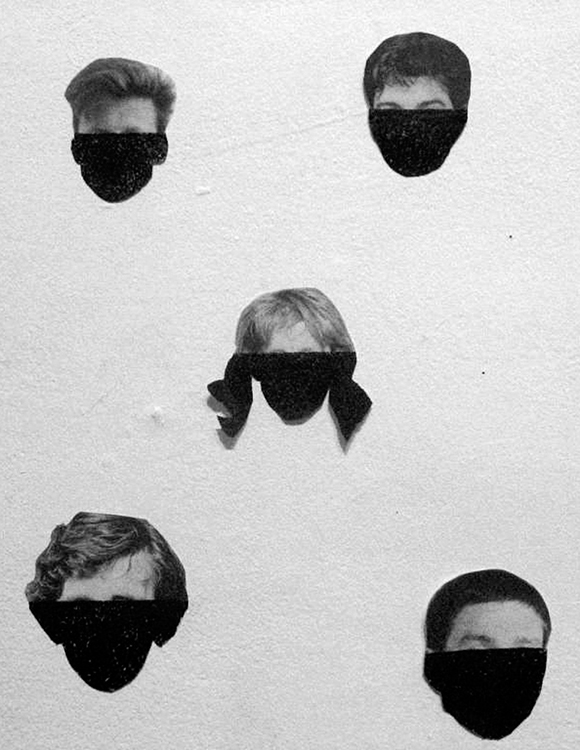
There Used to Be a Me and Soul Liberation
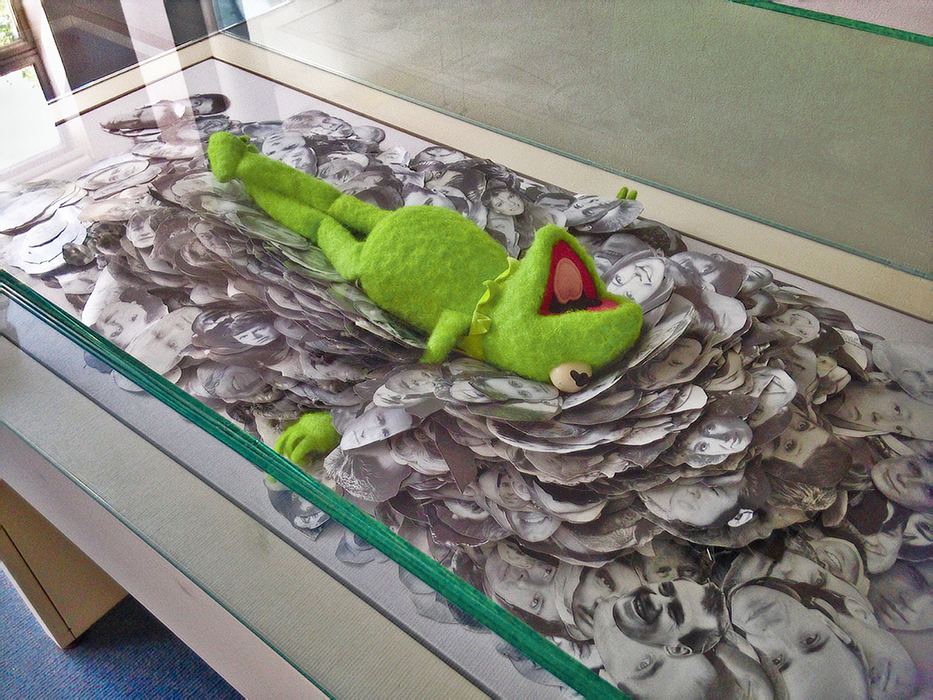
There Used to Be a Me at Camberwell College of Arts
Denise Hawrysio examines the fragility of identity through “borderline situations,” positioning her work in the liminal space where meaning is forged through direct experience. By staging the exhibition within the Camberwell College library — a site traditionally dedicated to the categorisation and preservation of truth — Hawrysio creates a sharp dialectic with the theme of identity erasure.
Drawing on Peter Sellers’ 1978 existential admission to Kermit the Frog that his “me” had been “surgically removed,” the exhibition offers a prophetic critique of our contemporary curated existence. In an age of algorithmic feedback and high-resolution personas, Hawrysio probes the precise moment where social performance ends and existential surgery begins.
Both exhibitions were curated by then head of UAL Libraries Special Collections, Gustavo Grandal Montero.
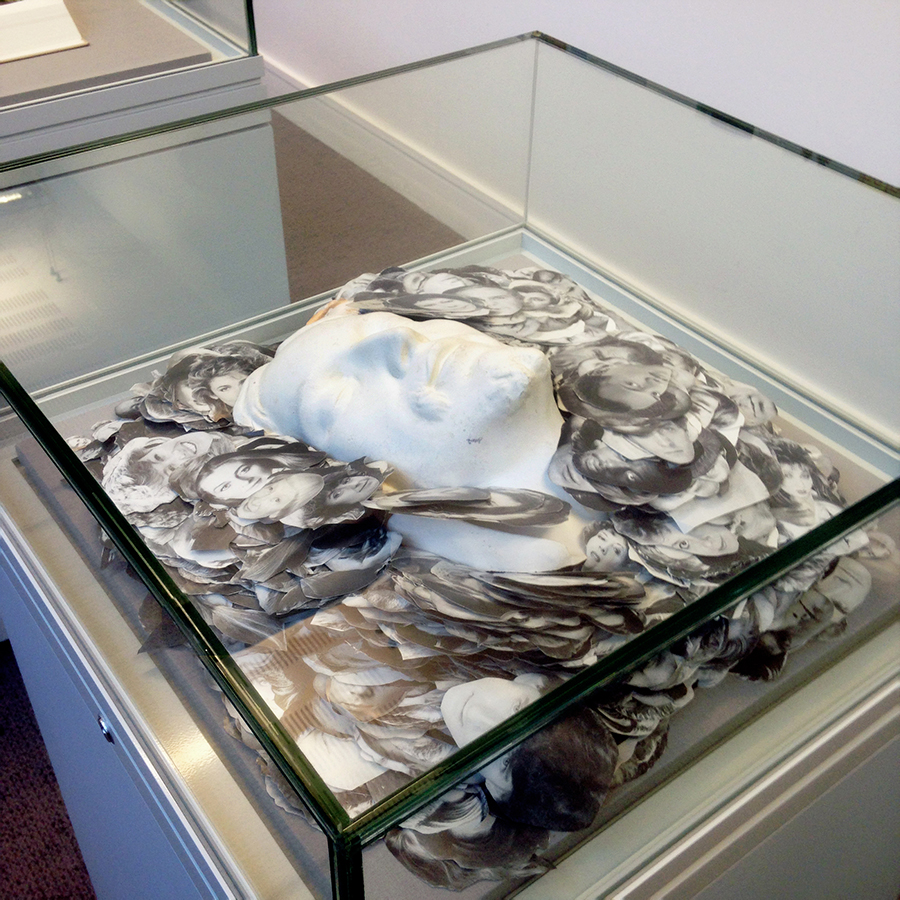
Soul Liberation at Chelsea College of Arts
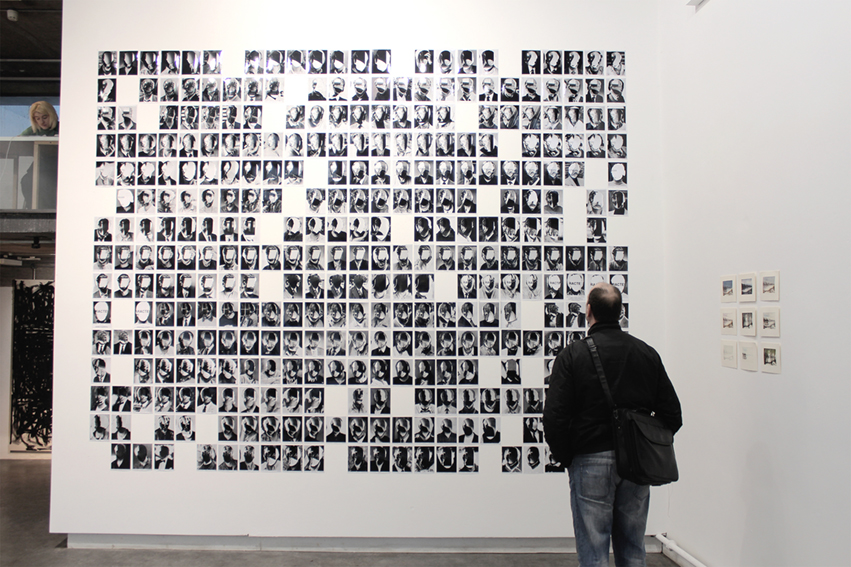
The use of these historical directories follows the tradition of the cut-up/cut-out/fold-in techniques developed by the Surrealists, Dadaists and beat poets who revelled in the inversion and redistribution of meanings to which images and/or texts could thereby be subjected. The obliteration of the faces results in a type of failed portraiture. As the cuts reveal the layers and fragments of the photographs behind, a new reading of the portraiture emerges; such possible readings could be in relation to the tropes of the horror film. John Carpenter’s The Thing, for example, portrays the infinite plasticity and morphing capacity of an alien being; similarly, the altered Spotlight portraits stretch the imagination to the border of the unrepresentable within a multiplicity of dissolving identities.
Spotlight Sculpture
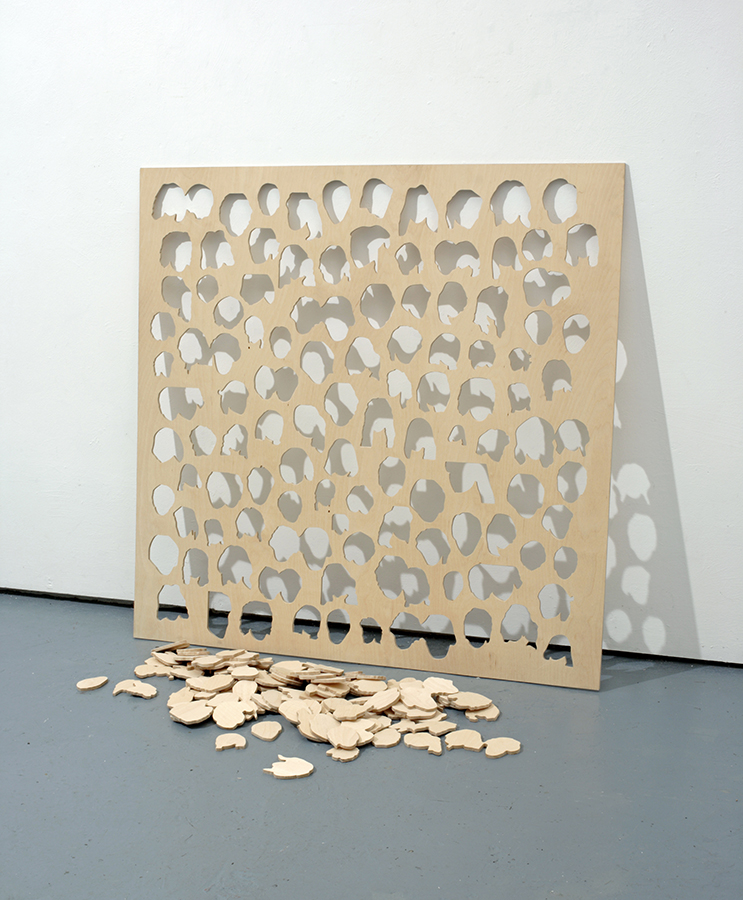
Half People Chair
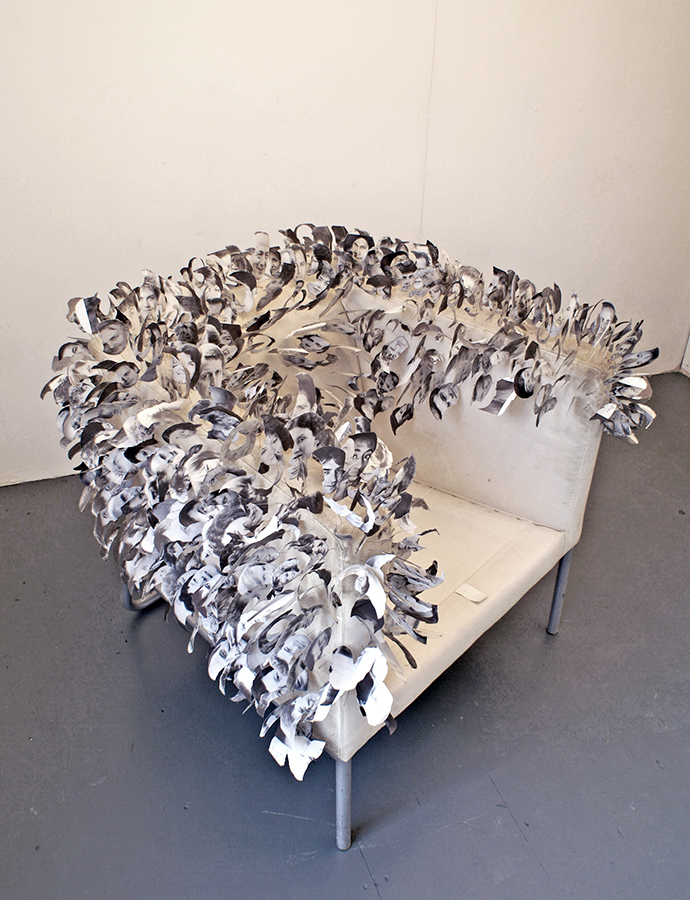
In Half People Chair, Denise Hawrysio employs a found object — a white modernist armchair — as a framework for a dense accumulation of cut-out portraits. This cluster of monochrome faces, extracted from the Spotlight directory, form a haunting collective archive that appears to spill over the sides like a parasitic growth or a kaleidoscope of butterflies.
By cladding a functional, domestic object in the visages of those seeking visibility, Hawrysio literalises the weight of the professional gaze. The piece becomes a silent witness to the industry’s cycles of ambition and obsolescence, where individual identity is subsumed into a communal, textured mass. The stark contrast between the clinical white of the chair and the fragile, paper “skin” of the faces underscores the tension between the individual and the system that categorises them.