Killing
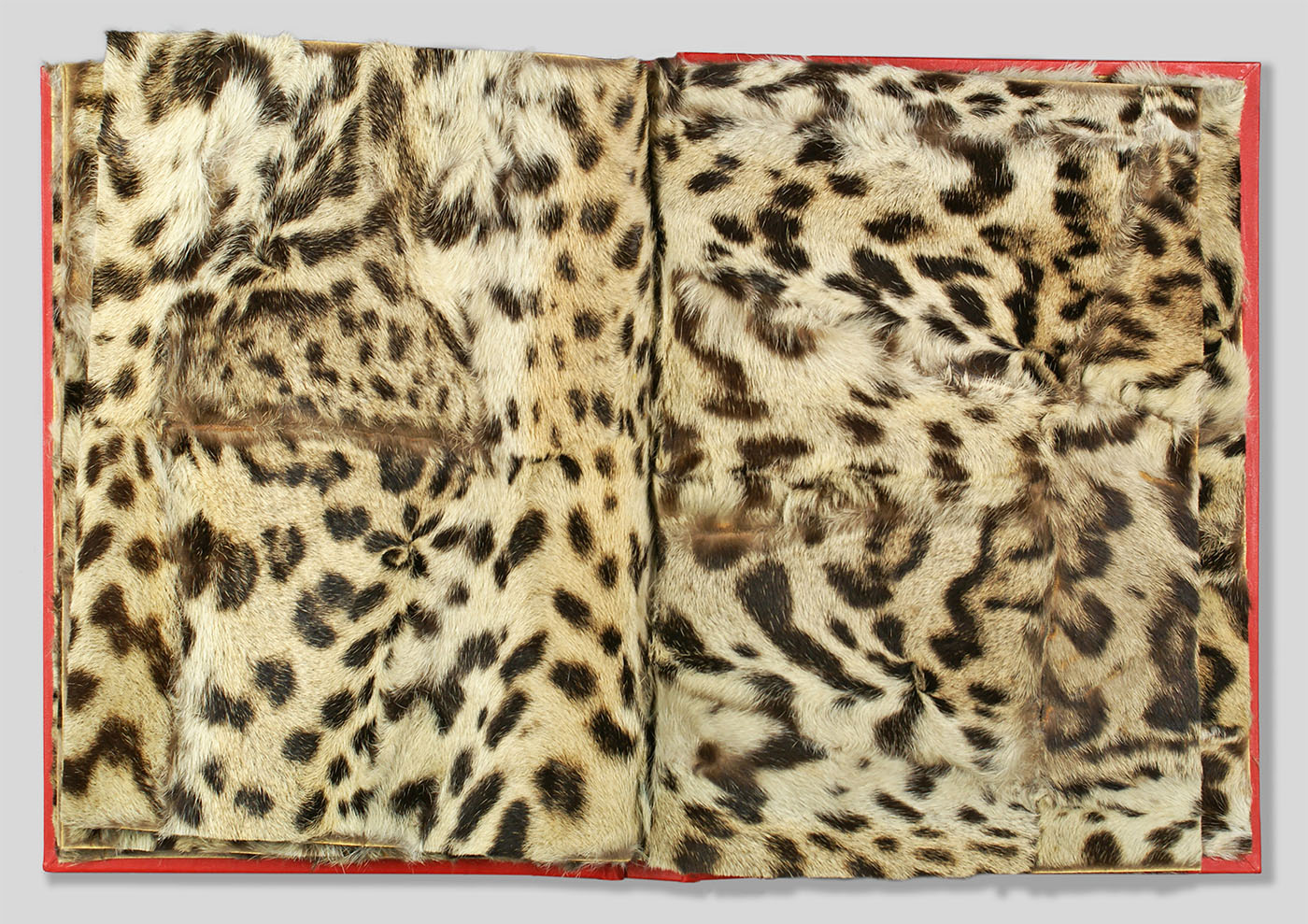
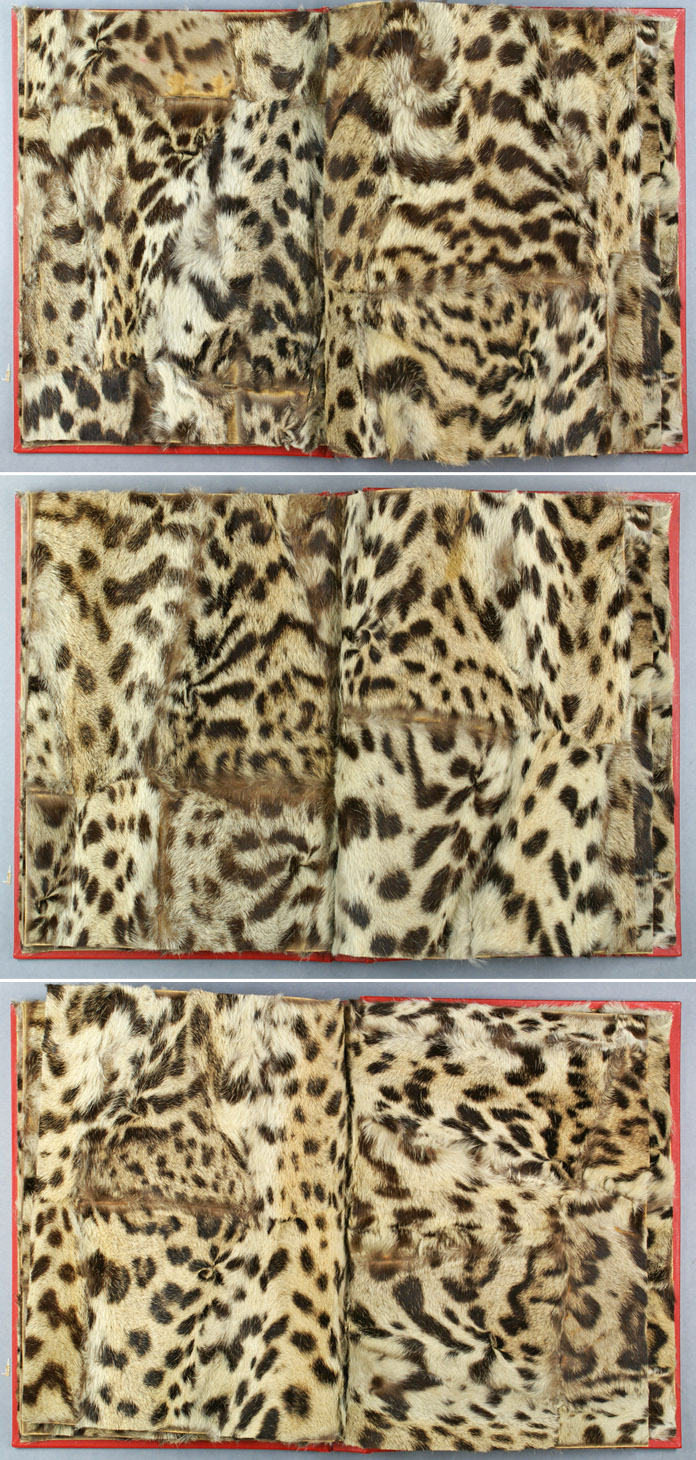
Killing I, 1988
Collection: Special Collections at Chelsea College of Art & Design
Produced in the late 1980s at what was then called the London College of Printing (now part of the University of the Arts London), Killing is a series of three unique artist’s books that challenge the conventional materiality of the printed page. By replacing paper with animal pelts, Hawrysio transforms the book into a highly tactile, sculptural object that demands a visceral rather than purely intellectual engagement. This shift invites the viewer to reconsider the medium as a sensory presence, where the physical nature of the work becomes its primary language.
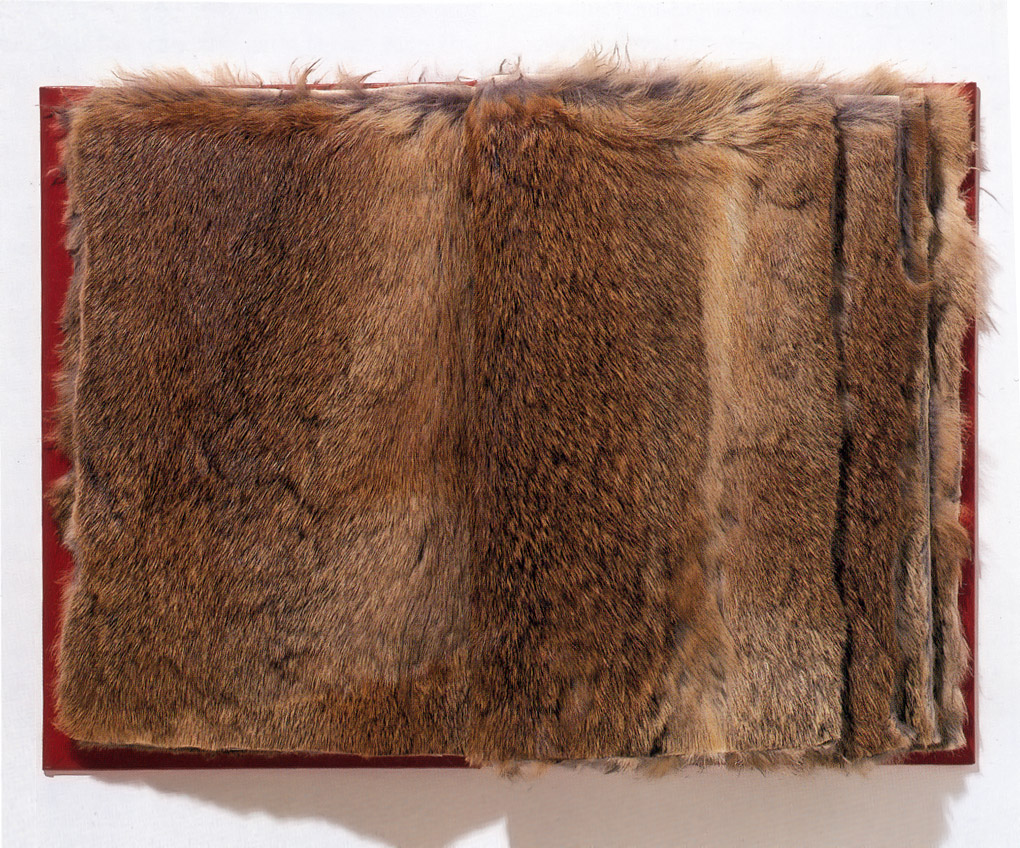
Killing III, 1989
Collection: Victoria & Albert Museum
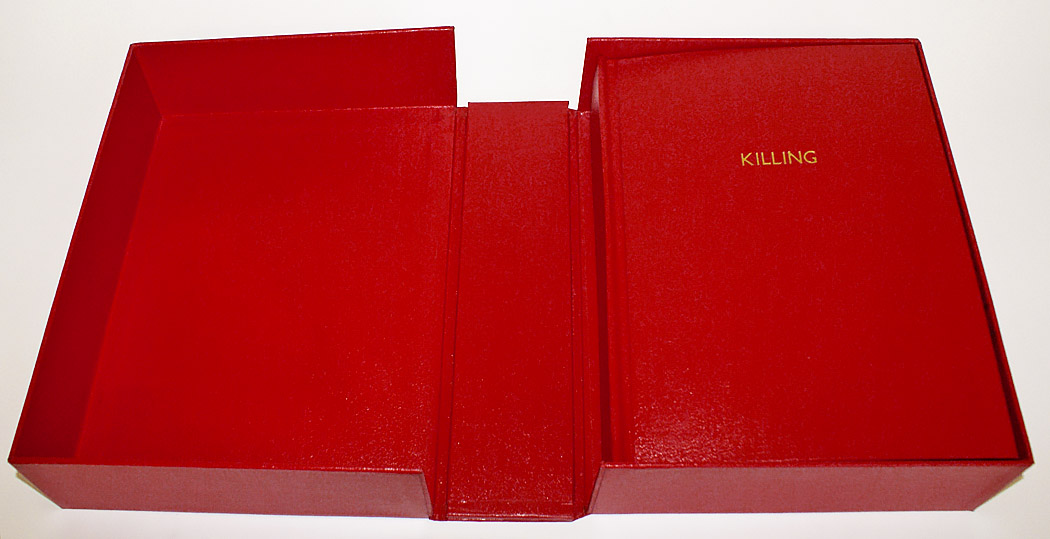
The pages of these works are made from leopard skin fur (Killing I held in the Special Collections at Chelsea College of Art & Design Library), Black Russian mink (Killing II held by the Bruce Peel Special Collections Library, Canada), and English rabbit (Killing III) respectively. Each work has been bound in blood-red buckram, stamped with the title ‘Killing’ in gold on the cover and housed in a red clamshell binders box. The use of animal pelts in these works has frequently led to their attribution as a wordless protest against the senseless slaughter of animals for the fur industry. On encountering Killing III however there is a pervasive sense of irony at play as any notions of protest are expertly mingled with the irrefutable seductiveness and allure of its highly tactile and deeply sensuous fur pages. Victoria & Albert Museum
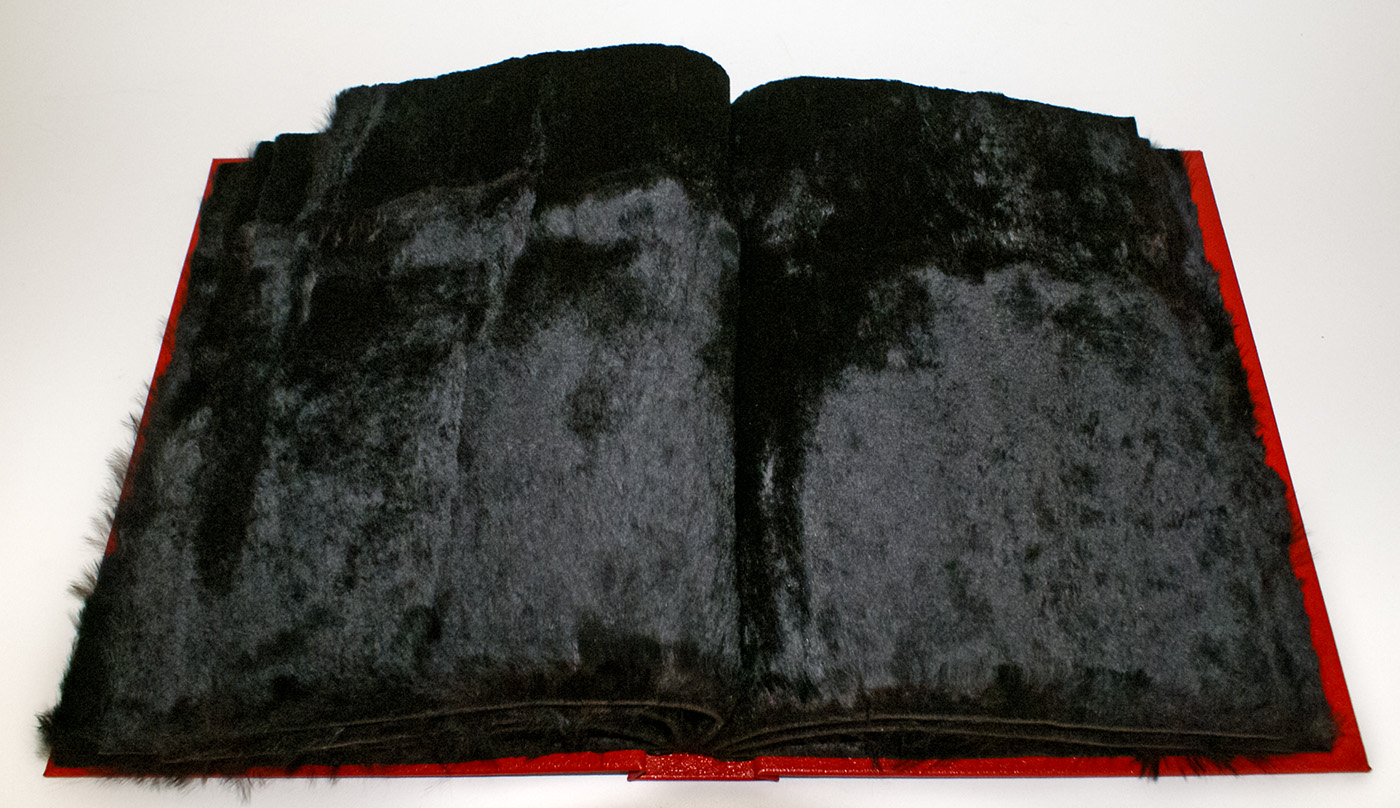
Killing II, 1989
Collection: Bruce Peel Special Collections Library, Canada
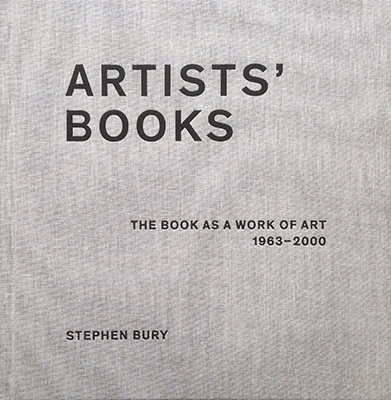
The page, once it need not consist of paper, becomes a tactile object – Denise Hawrysio’s Killing (1988) with its blood-red covers and fur pages, suggests the violence done to animals, yet is reminiscent of vellum, the laboriously scraped animal-skin page of the medieval manuscript. Stephen Bury, Artists’ Books: The Book as a Work of Art
Hawrysio’s books are beautifully bound, often boxed with gold blocked titles. They are made to be studied but, beyond their titles, they contain no words. Their content, blank pages, is made of material chosen to establish a dynamic and frequently ambiguous relationship between the solid, seemingly permanent generic idea of the book and the ephemeral quality of the idea on which the content of the book is based. As with some of Hawrysio’s film installations, the audience is able to bypass the normal restrictions that are associated with the art object. In this instance, it is only possible to fathom the full message contained in each book if they are handled. The books, may, therefore, be opened and closed in order for the viewer to examine their content. These handsome volumes overcome some of the excesses of ‘experimental’ art in which negative preconceptions about the pretentious or inaccessible nature of contemporary art are often confirmed. Their accessible form is a catalyst that facilitates the works’ variety of associations and meanings. David Thorp, Staggered Systems exhibition catalogue, The Showroom, 1994