A Catalogue of Errors
- Ryerson Image Centre, Toronto, 2021
- Floating Gallery, Winnipeg, 2001
- Escape from Photography, Mercer Union, Toronto, 1999
- Lapsus, Five Years Gallery, London, 1999
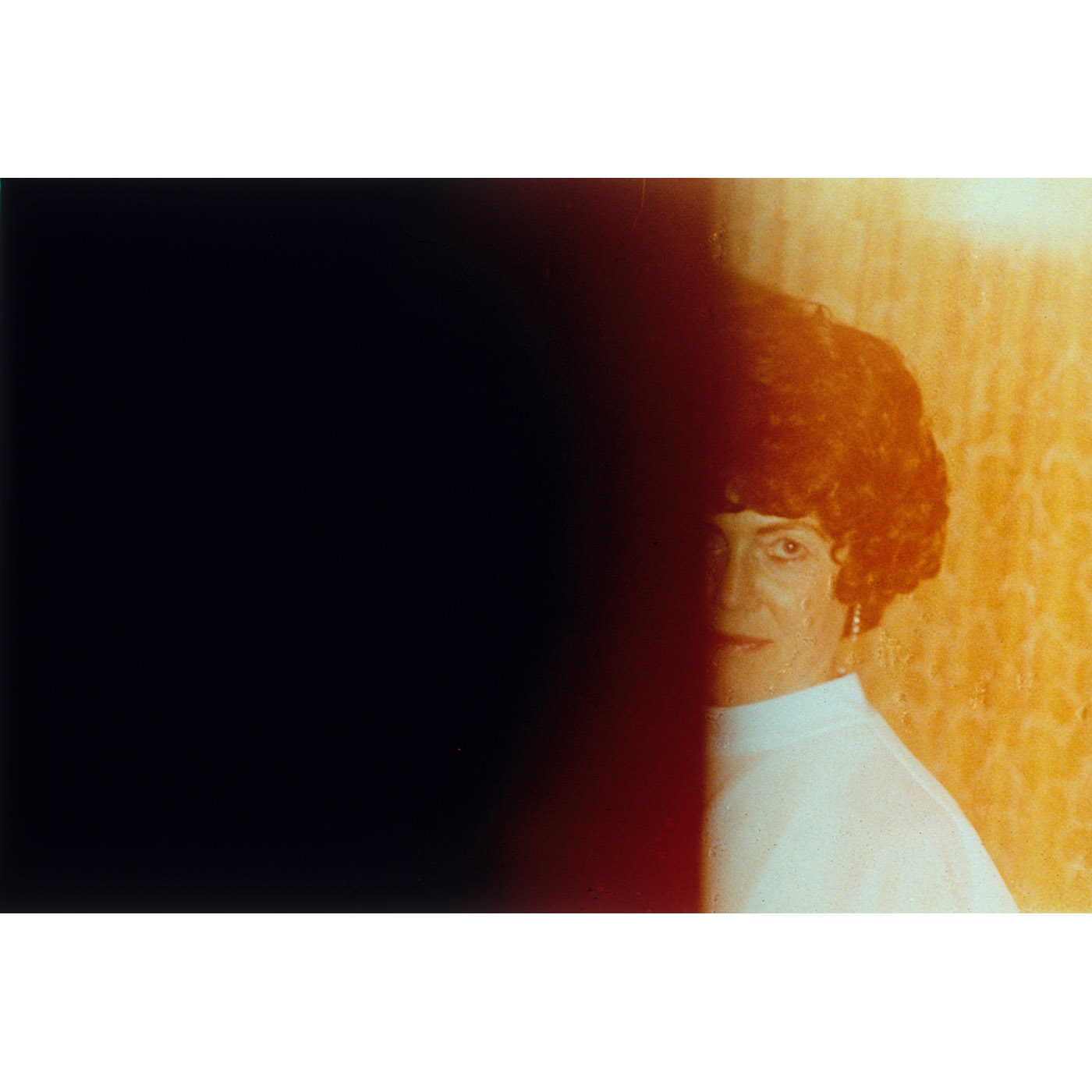
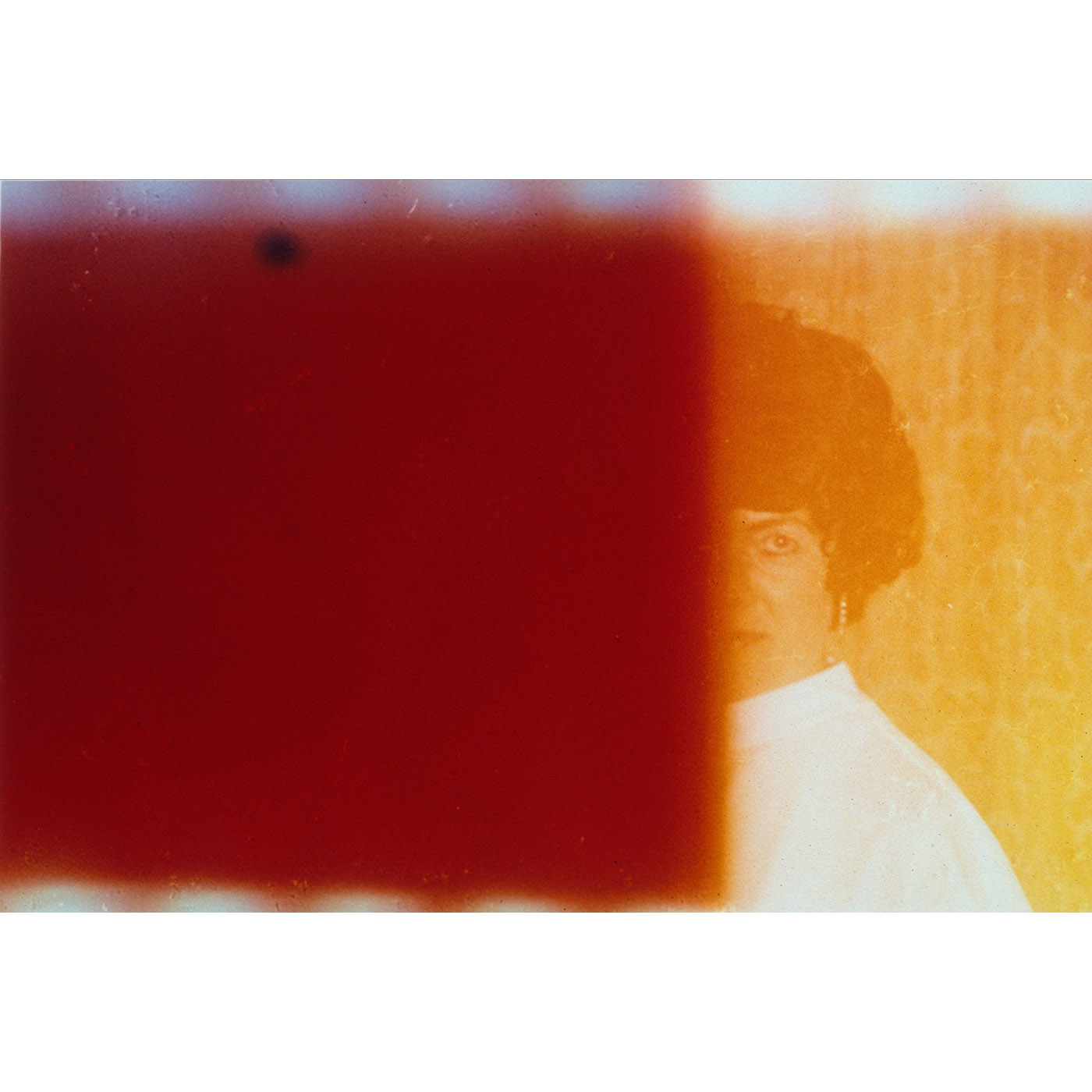
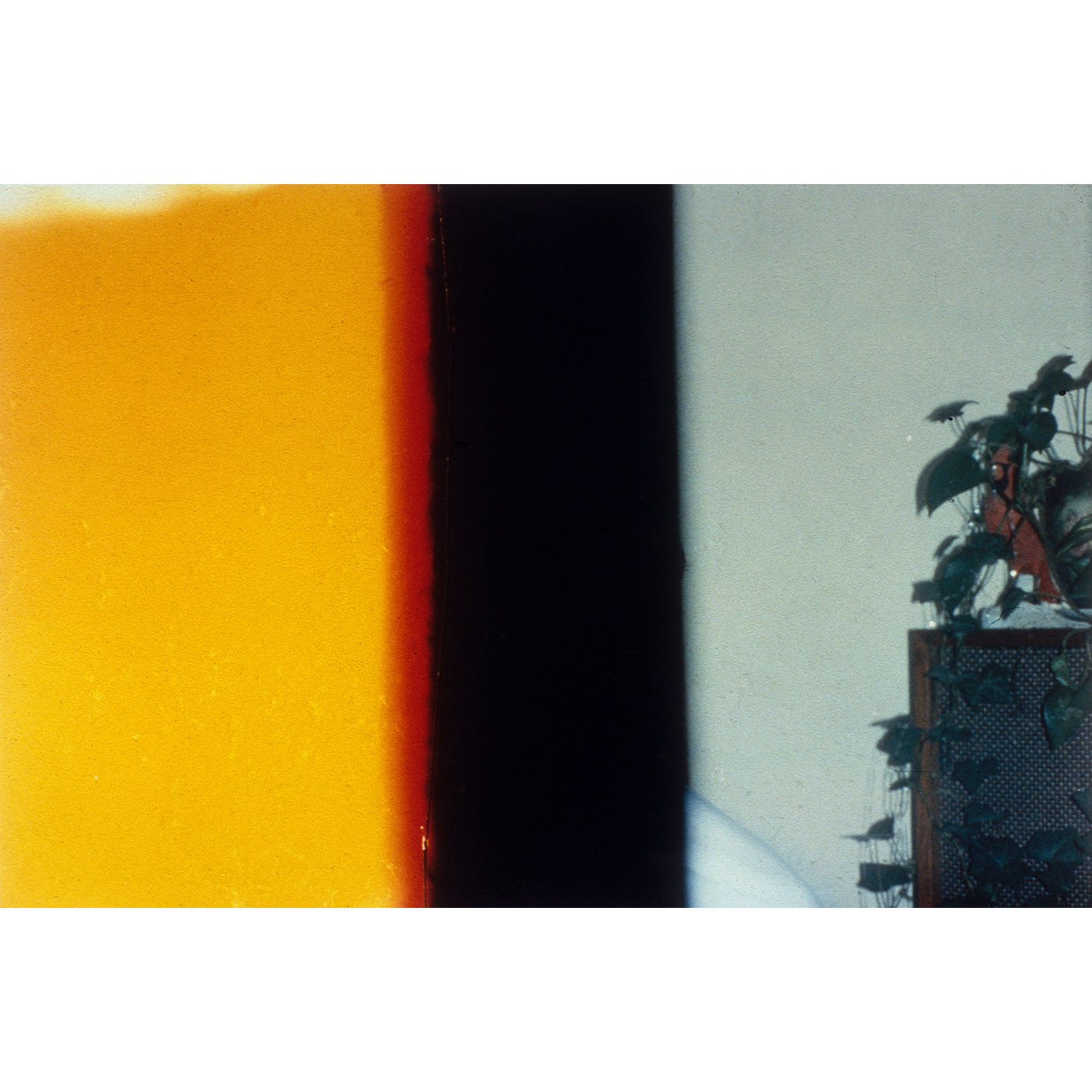
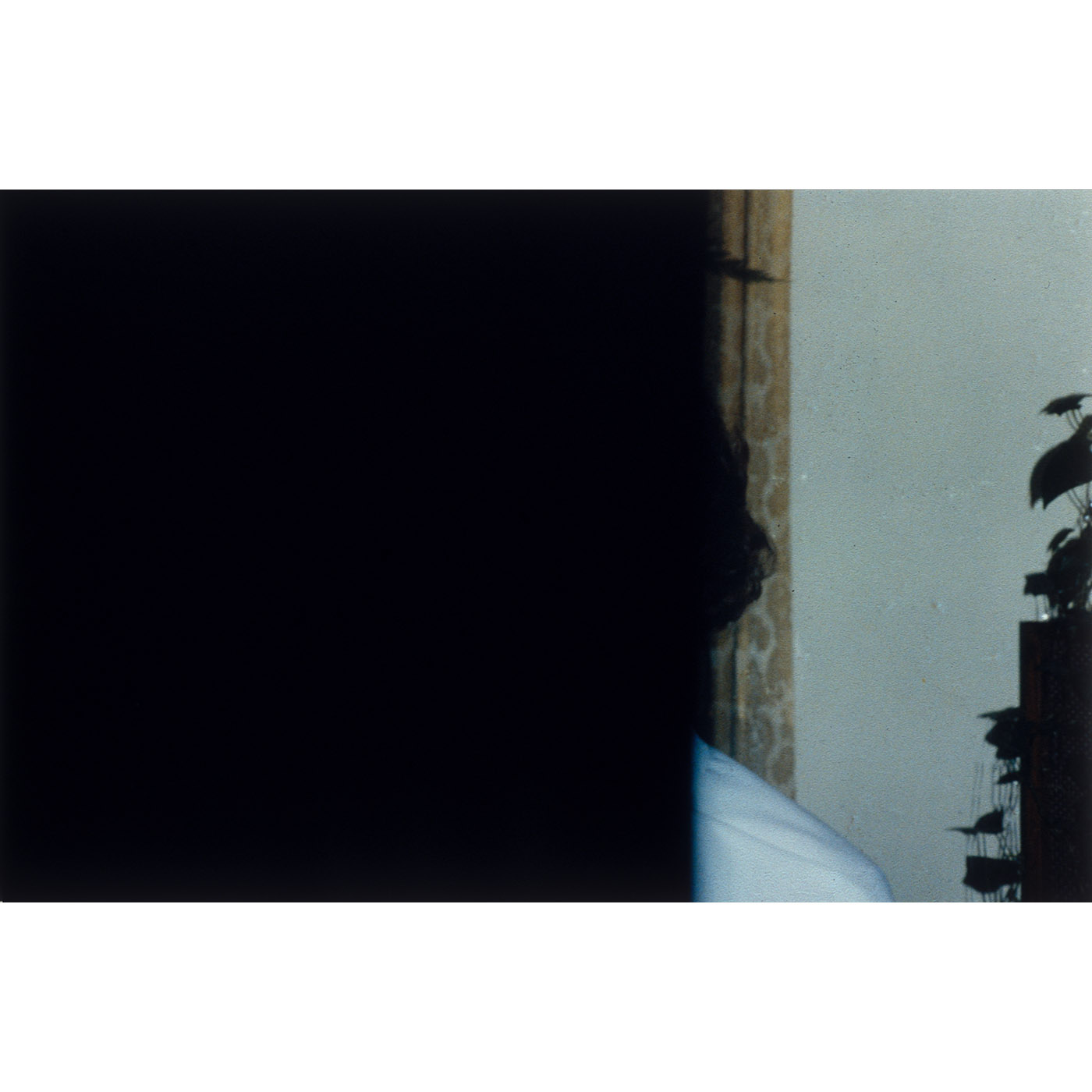
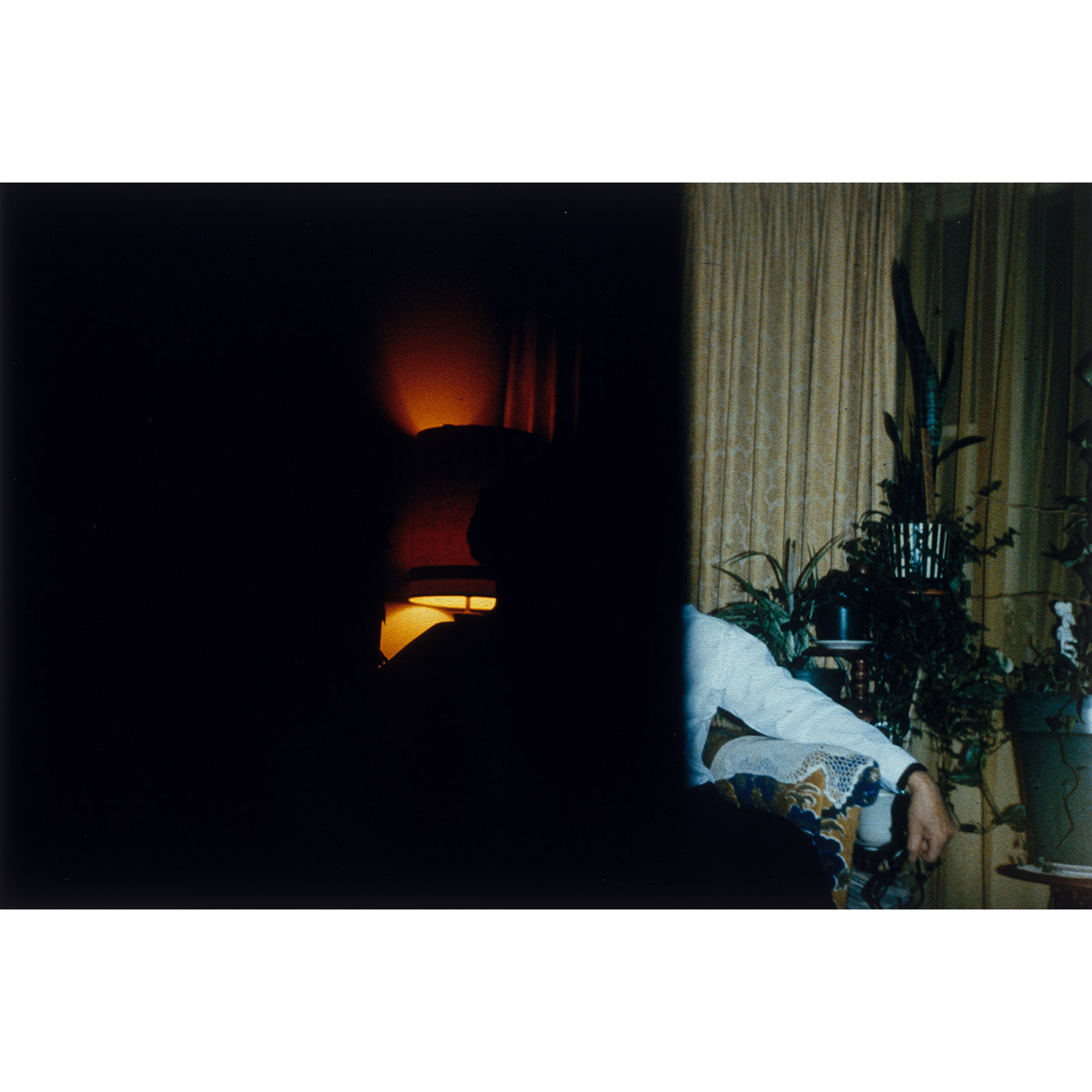
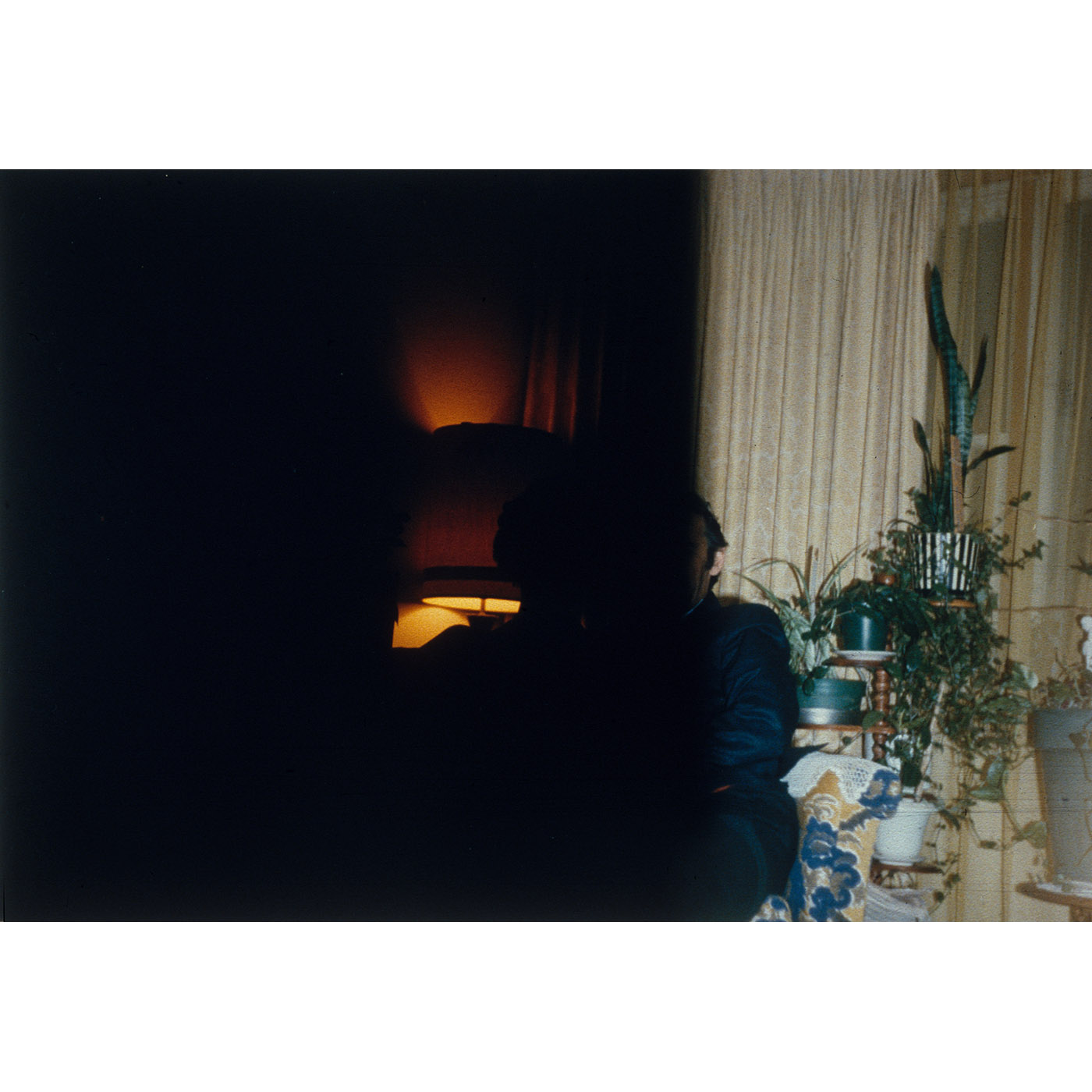
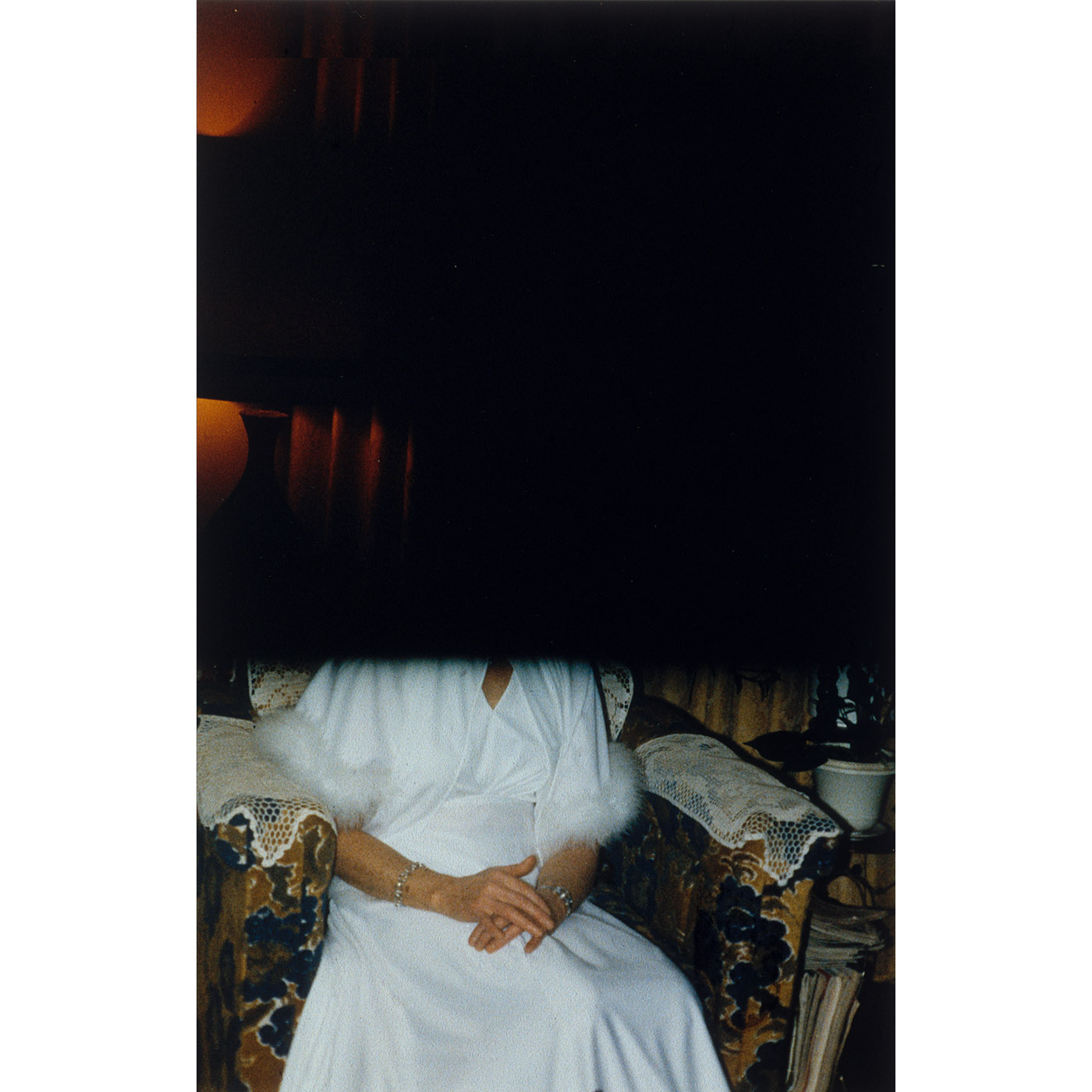
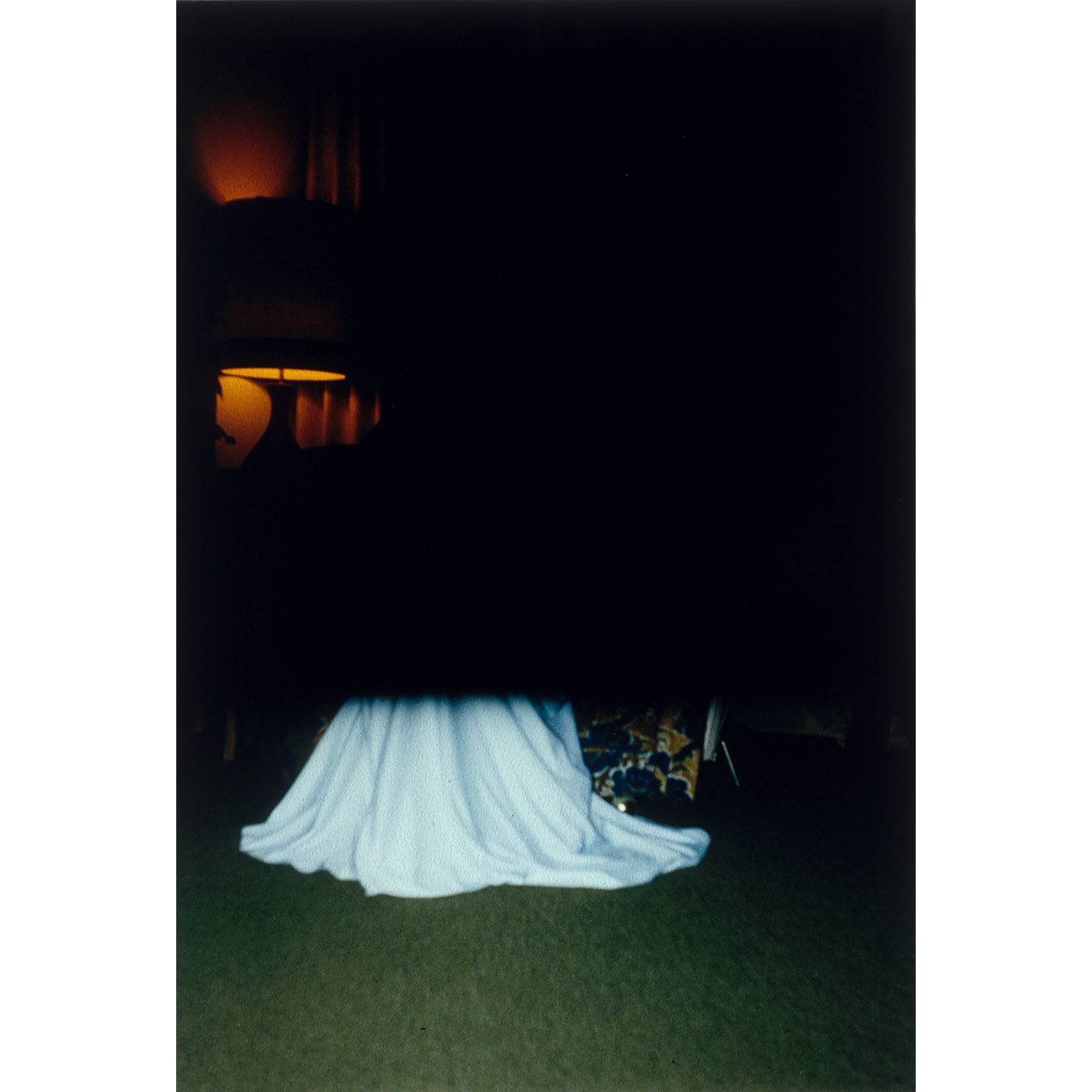
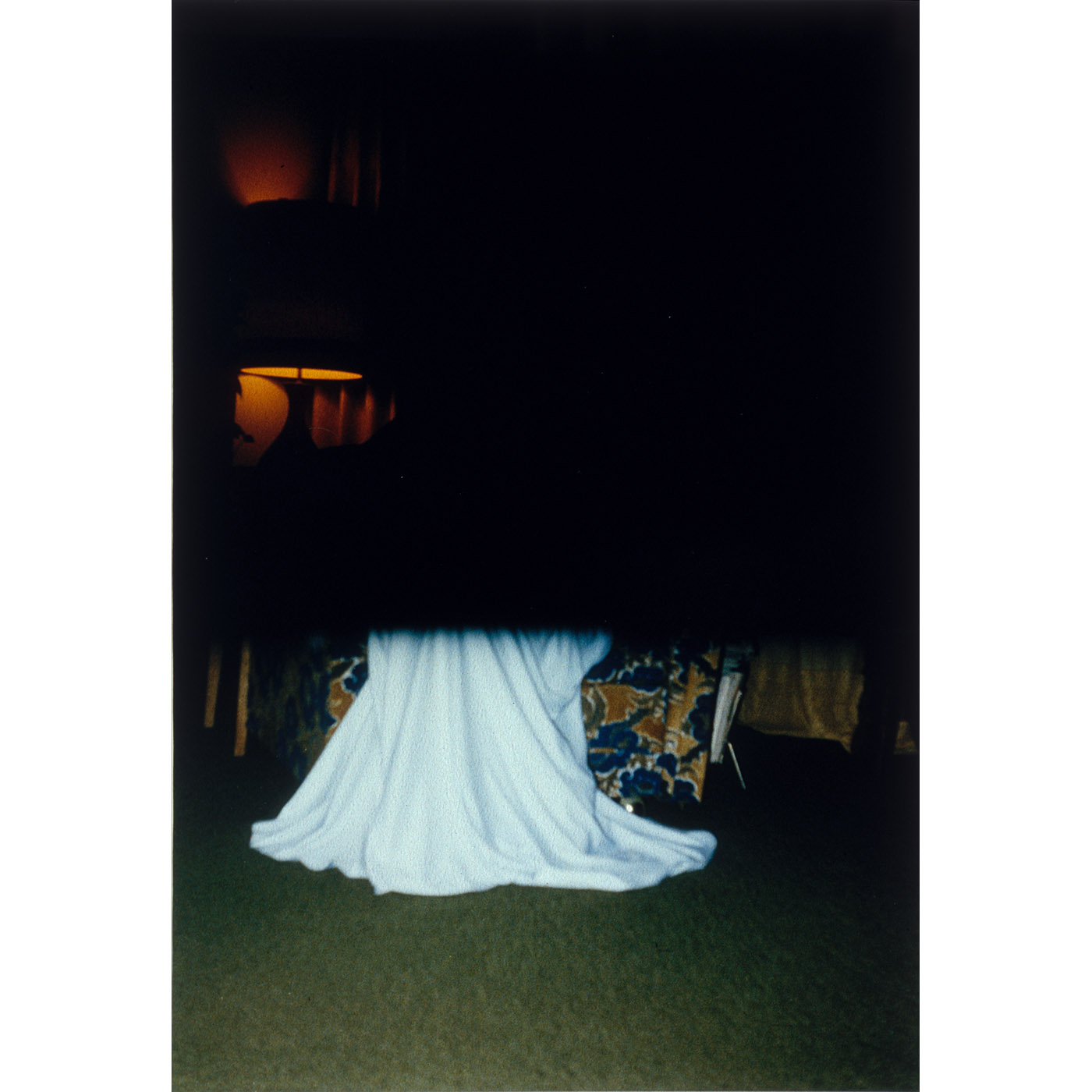
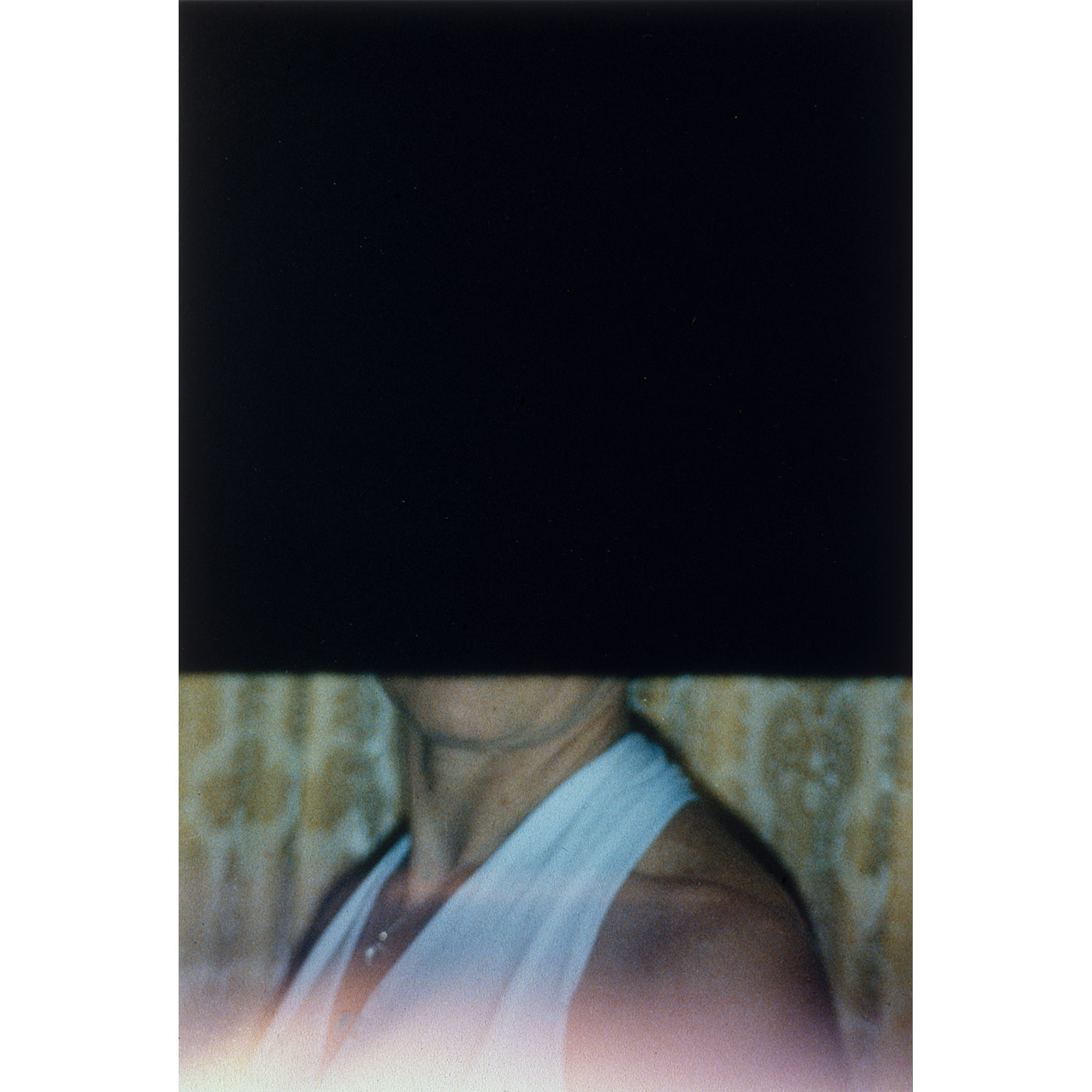
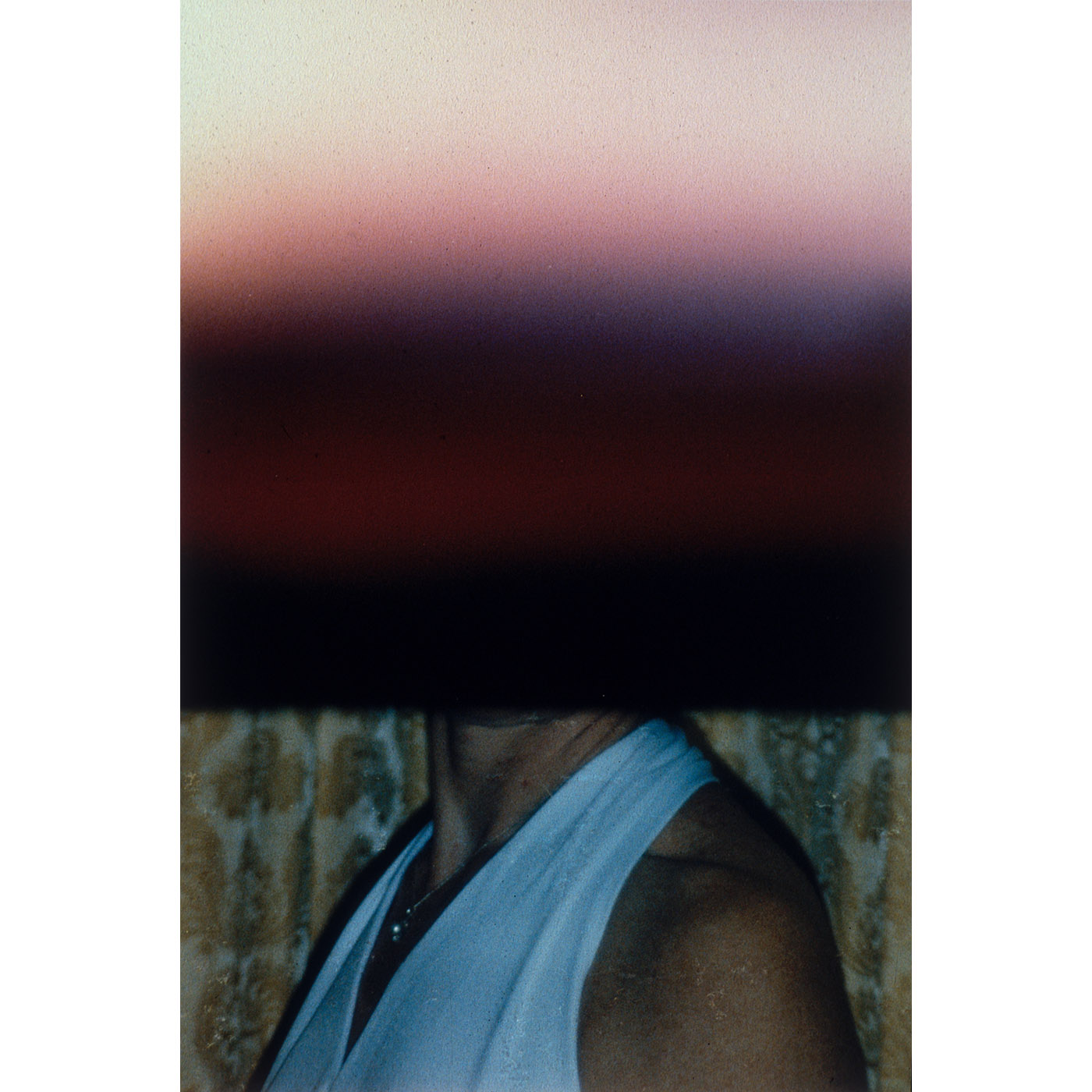
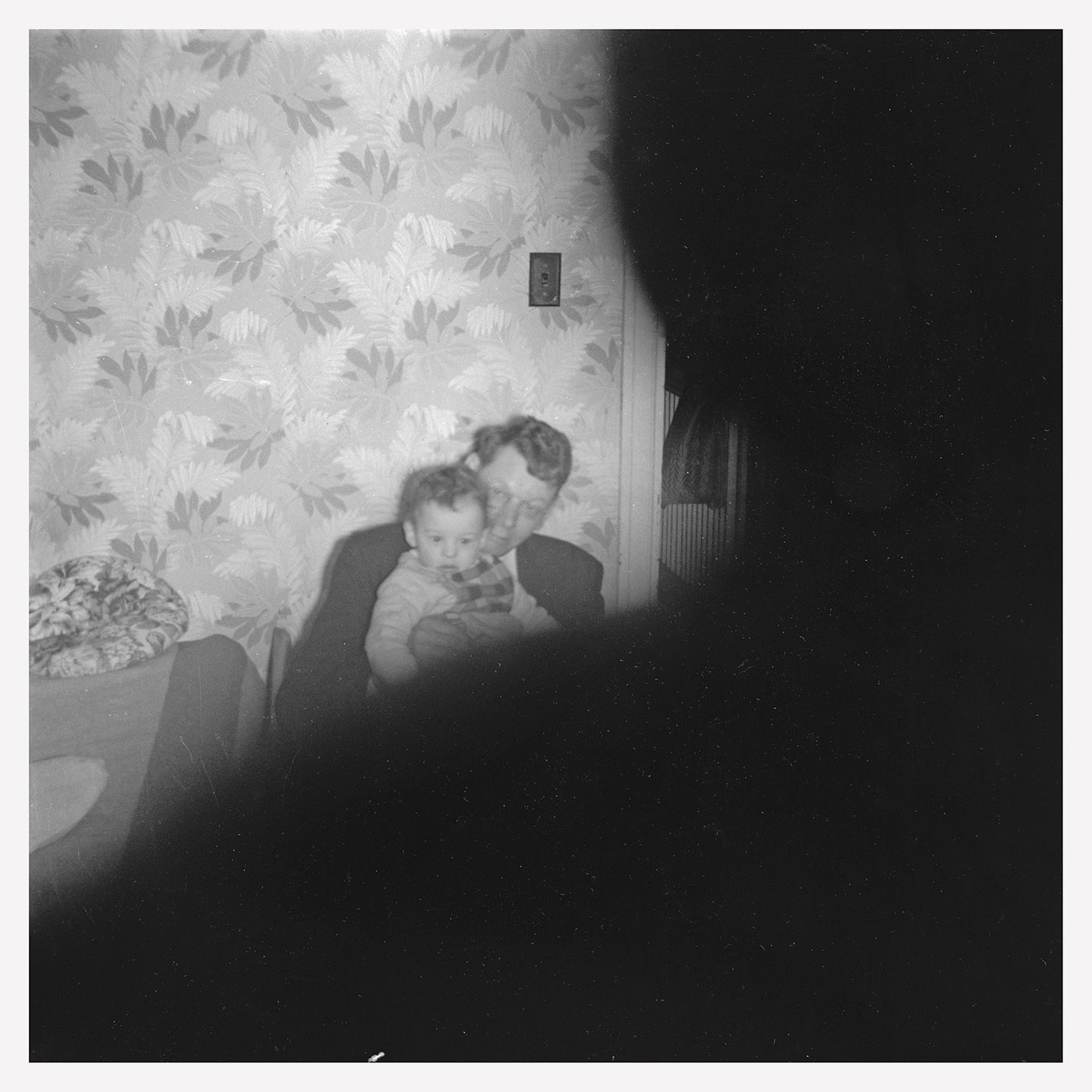
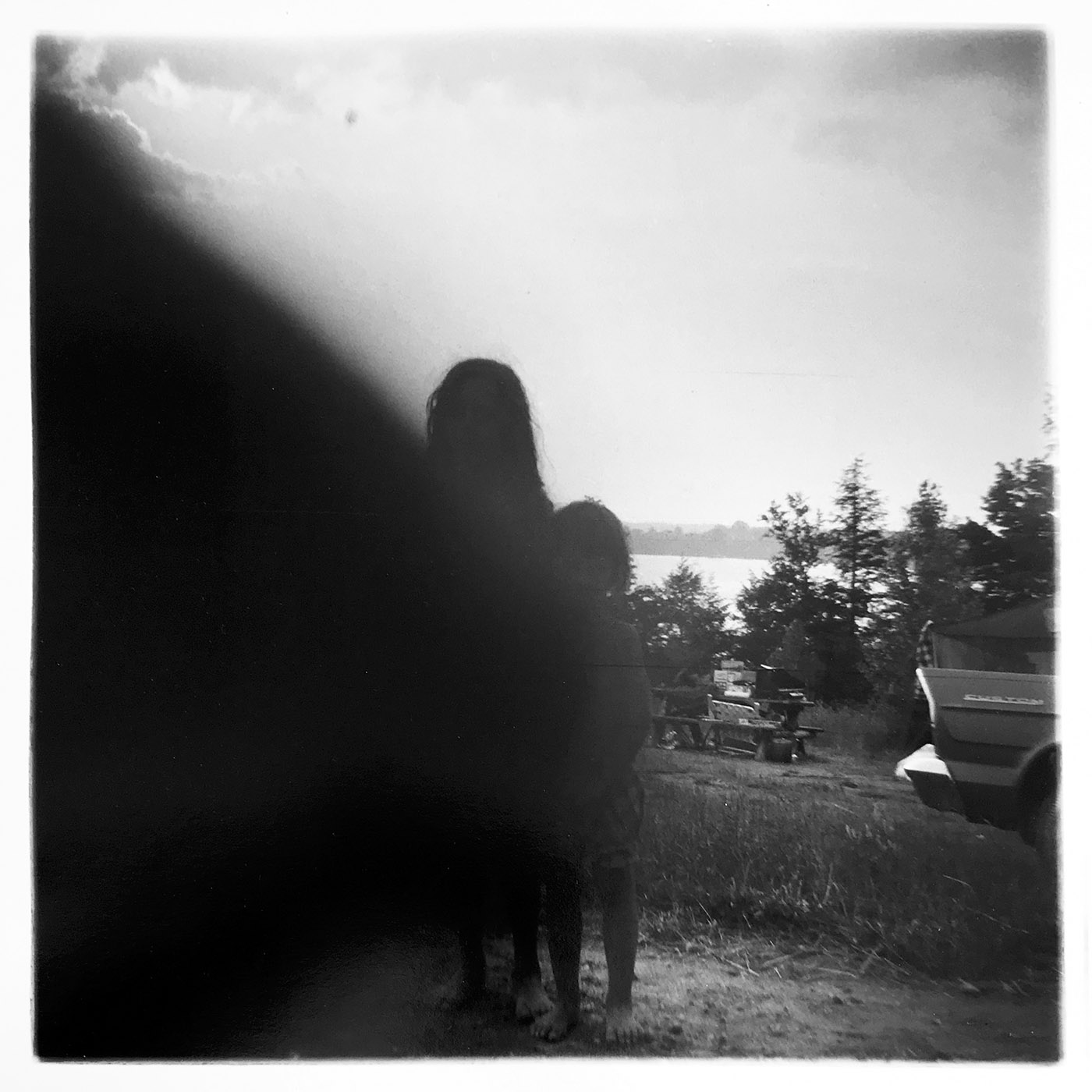
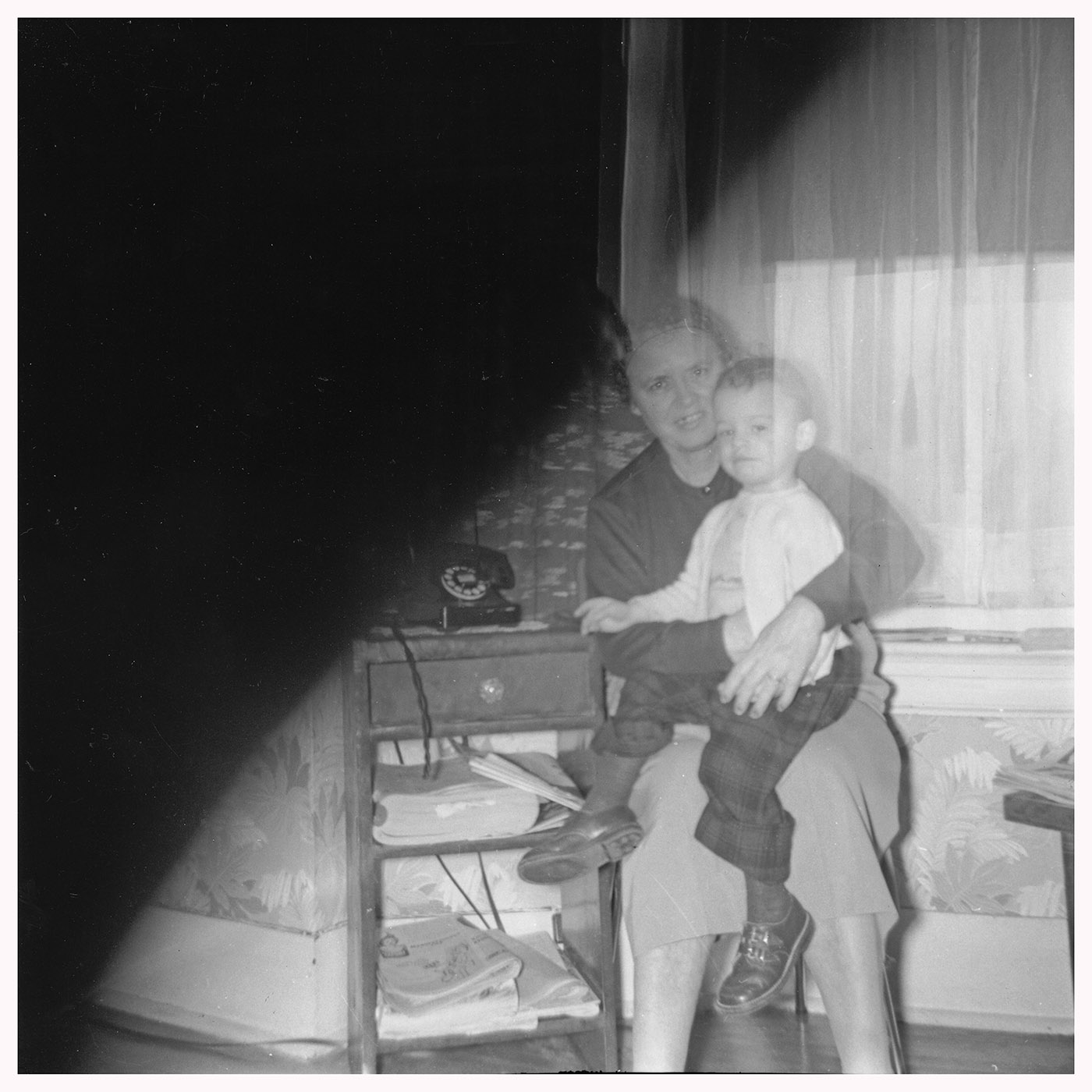
Catalogue of Errors is a forensic investigation into the mechanical fallibility of analogue photography. The series is built upon a collection of negatives inherited by Denise Hawrysio from her father in 1990, each marked by puzzling technical malfunctions. Due to a recurring flash and shutter synchronisation problem, these images often contain two different exposures within a single frame—a mechanical accident that mimics the intentionality of a collage.
By focusing on these overlooked anomalies, Hawrysio highlights the raw materiality of analogue film. The process of printing these partially obscured images becomes an act of discovery, where the artist’s role shifts from creator to investigator. As critic David Weaver observes, the work functions within a “resolutely domestic” arena, using the by-products of hobby photography to attack the medium’s suggestion that every image is its own “most perfect representation”.
In this “psychoanalytic realm”, the photographs prompt the viewer to speculate on the elusiveness of identity and authorship. Weaver argues that if photography is often a form of “tyranny” or “surveillance” that seeks to fix identity forever, Hawrysio’s engagement with these technical “errors” allows the medium to be seen as a fractured, “irresolute” form of representation. This sense of failure is further underscored by John Roberts in his essay for their exhibition at Five Years Gallery in London, where he suggests we read these photographic glitches through the spectres of the horror film, fixing the subject and the author within the realm of the “monstrous apparition”.
Ultimately, the series represents what Weaver describes as a rare “coming-together of aesthetic critique with the complexities of personal history”. By embracing the “failed” photograph and its “monstrous” spectres, Hawrysio ensures that the domestic scene becomes the stage for a profound critique of the act of photography itself.
Escape from Photography
Photography is tyranny. Everyone knows this.
From the unwitting victim of the surprise snapshot to the subjects of Bourke-White’s Auschwitz photographs immediately upon liberation, no one wishes to be photographed. To be photographed is to have one’s identity fixed forever more so that, in some instances, the subject’s subsequent existence becomes dedicated to a reassertion of identity over the supremacy of the photograph at all costs. That is the meaning of every celebrity suicide of the twentieth century. It is the measure of the century itself.
Photography has extended its domain over every form of art. Representational painting has suffered this absolutism most acutely. Much of twentieth century painting can be seen as a series of paroxysmal reactions to the apparent co-opting of the representational image by photography; first the flight into increasing abstraction, then successive efforts at giganticism, narrative painting, and the eventual abandonment of the canvas altogether. The desire to escape photography may not be the only painterly aesthetic of this century, but it surely is a governing impulse.
[Weaver argues that Bell’s paintings resist photography’s dominance by returning to the core materiality of paint itself — works that, through their tonal subtlety and craft, literally cannot be photographed.]
Denise Hawrysio’s work, on the other hand, comes at photography from within. Here the arena is resolutely domestic and the intent is undeniably an attack on that quality in photography that suggests each image is its own most perfect representation. Hers is not just a purely technical exercise, but an effort that would be inconsequential without a potent subject — in this instance, Hawrysio’s family as discovered, or rediscovered, through the discards of her father’s hobby photographs.
The recasting of these works suggests the ever-complicated ground of familial relations and implicitly casts aspirations on the attempt to fix them through any means. Situated in an unavoidably psychoanalytic realm, these photographs prompt speculation on the part of the viewer (Who is that child? What is the history here? What relation is that woman to the photographer? To Hawrysio herself?) that transcends gossip by suggesting the elusiveness of identity and authorship. So the domestic scene becomes the stage for a critique of the very act of photography — the act in which Hawrysio herself, no matter how indirectly, is engaged. There is no attempt to resolve this paradox into some more simple equation, and that is the strength of the work. Those who view the photographs find themselves with as unresolved an attitude towards the medium as seems to be the case for Hawrysio herself towards her family secrets, in what is a rare coming-together of aesthetic critique with the complexities of personal history. The doubling back is complete. Again the core element of surveillance in the act of photography is trounced.
Photography is well beyond being a mere by-product of the technological revolution that was begun in the nineteenth century and found full flower in our own epoch; in some sense it literally is the twentieth century. It exemplifies the twentieth century preference for self-reflexivity over history, this century’s almost obscene grasping for absolutes through technological imperatives which necessarily lead only to greater uncertainties, its manifest banalities and sanctities. Here, in Hawrysio’s work, there is the proof that it is possible to engage with the photographic process on terms other than those that are solely its own, that photography can finally be seen for what it is: not an end-point, but just a particular form of representation, as irresolute, fractured and open to interpretation — or in this case expropriation — as any other.
Far from unnerving, this should excite us to new betrayals.
— David Weaver